Small Businesses Quietly Thrive Using AI: Real Stories, Real Impact
Small Businesses Quietly Thrive Using AI: Real Stories, Real Impact
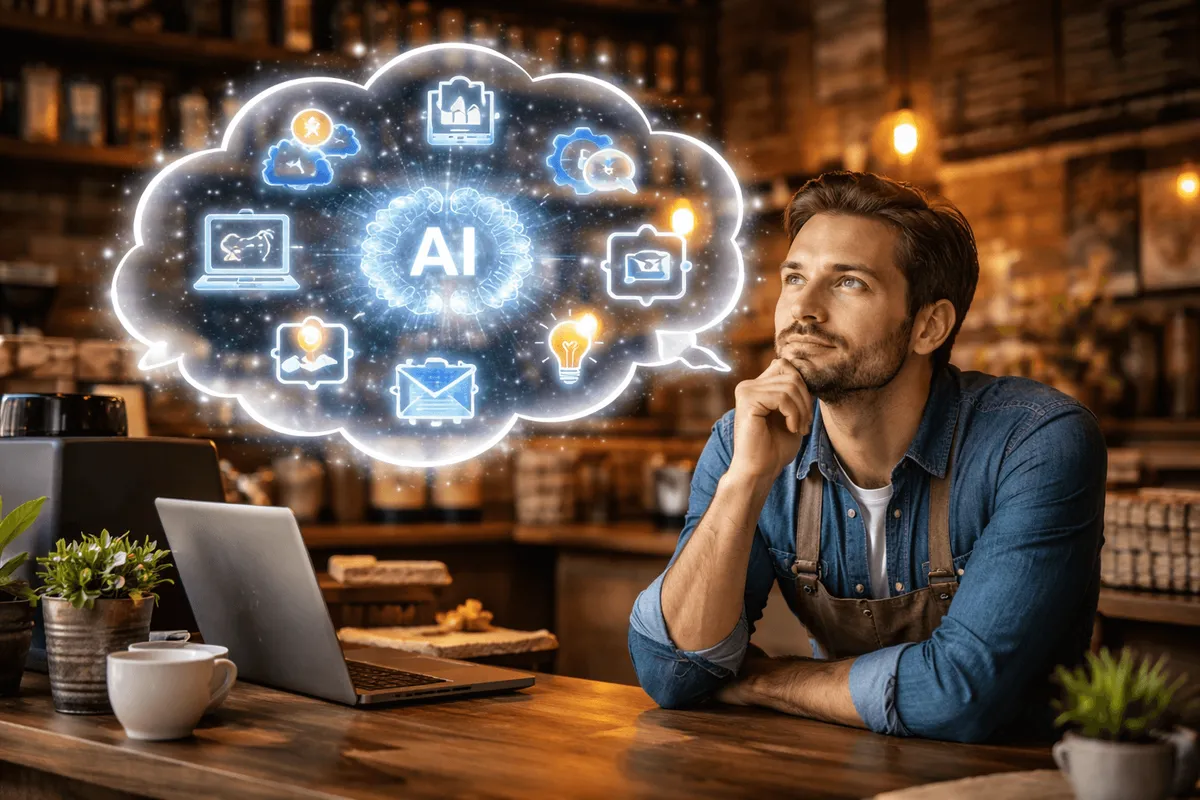
When most people think about artificial intelligence, they picture massive tech companies or perhaps sci-fi scenarios. But the real intrigue lies in how AI has quietly infiltrated the backbone of the economy: small businesses. From mom-and-pop shops to local startups, AI is being used in surprising and effective ways that some larger companies could only dream of emulating.
Small businesses are leveraging AI not just to survive but to thrive. It's about smarter resource management, personalized customer interactions, and even targeted marketing that rivals the big players. The best part? AI tools are more accessible and affordable than ever, democratizing technology that was once exclusive to tech giants.
We'll explore how these AI tools aren't just buzzwords but game-changers for small business owners. We're talking real stories, tangible impacts, and specific examples of AI applications that are already making a difference.
The Unsung AI Heroes of Small Business
It's easy to overlook the under-the-radar AI tools that are revolutionizing small businesses. These aren't the headline-grabbing technologies like self-driving cars or humanoid robots. Instead, they're intelligent applications that tackle everyday challenges in innovative ways.
Take, for instance, Xero and Wave. These accounting software platforms are using AI to automate bookkeeping tasks, such as categorizing expenses and predicting cash flow. This automation saves small business owners thousands of hours annually, letting them focus on what they do best: serving customers.
AI is not just for tech giants; it's a key tool for small businesses aiming to streamline operations and boost efficiency.
Then, there's Square's AI-driven analytics. It's not just about processing payments anymore. Small retailers are using its AI modules to analyze sales data, optimize inventory, and even forecast trends. Imagine a local boutique predicting fashion trends based on past sales without needing a dedicated data science team.
Chatbots: More Than Just Customer Service
When we think of chatbots, we often imagine clunky, frustrating interactions that lead nowhere. However, today's chatbots are much more sophisticated, especially for small businesses. Tools like Intercom and Drift have made it easy to deploy AI chatbots that handle everything from customer inquiries to lead generation.
Consider a small e-commerce store using Drift. Their chatbot can now answer FAQs, recommend products based on browsing history, and even upsell items. This enhances customer experience and boosts sales without additional staffing costs.
Moreover, chatbots like Intercom's can integrate with customer relationship management (CRM) systems, allowing them to pull customer data and provide personalized interactions. It's like having a digital personal assistant who knows every customer by name and preference.
| Chatbot Tool | Key Features | Pricing |
|---|---|---|
| Intercom | CRM integration, personalized responses | Starts at $79/month |
| Drift | Lead generation, product recommendations | Free tier available |
Inventory Management Gets a Brain
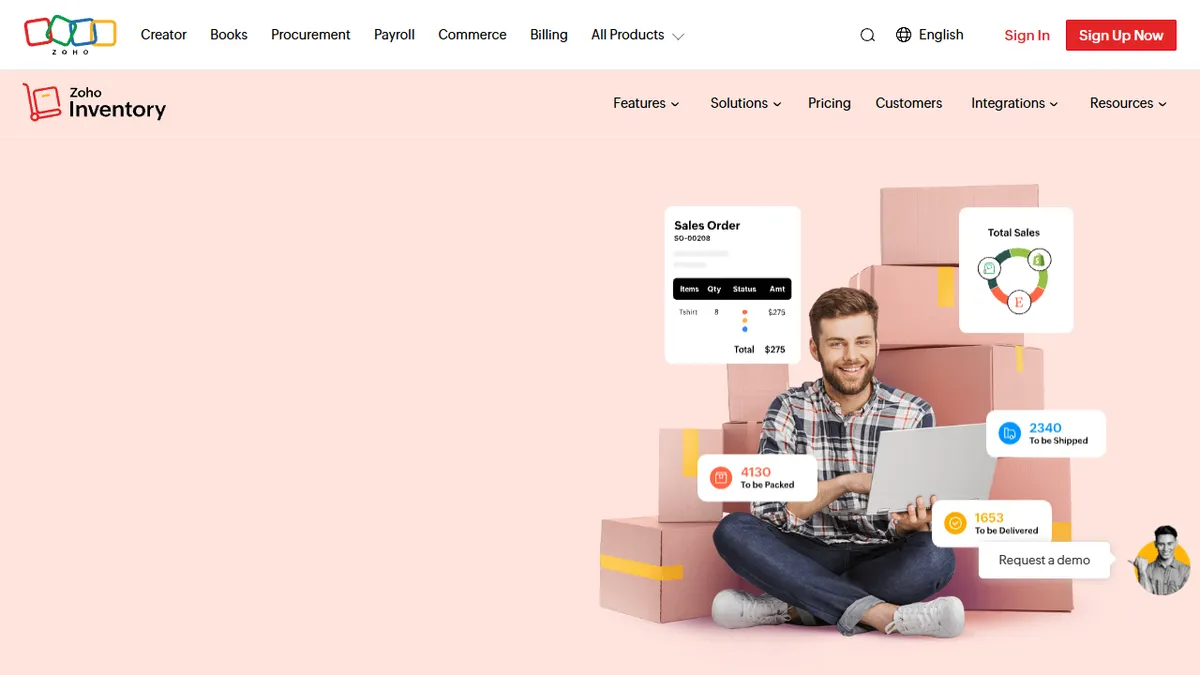
Inventory is the lifeblood of many small businesses, and AI is transforming how it's managed. Gone are the days of manual stock checks and surprise shortages. Enter AI-driven platforms like TradeGecko, now part of QuickBooks, and Zoho Inventory.
These platforms use machine learning algorithms to predict optimal stock levels and reorder points. They analyze historical sales data, seasonal trends, and even external factors like market conditions. This means fewer stockouts and overstock scenarios, optimizing cash flow and storage costs.
For instance, a small bookstore using Zoho Inventory can ensure they always have bestsellers in stock without overcommitting resources to less popular titles. This kind of precision was once the domain of corporate giants with hefty data teams. Now it's available to the little guys, leveling the playing field.
AI in Marketing: Targeting Like a Pro
Marketing is no longer about casting a wide net and hoping for the best. AI tools are enabling small businesses to target their marketing efforts with sniper-like precision. Think about Mailchimp's AI-driven marketing automation or HubSpot's AI-powered CRM features.
Mailchimp, for example, uses AI to segment audiences, predict engagement, and optimize send times. This means your email campaigns reach the right inboxes at the right time, maximizing open rates and conversions. Small businesses can now compete with larger firms in the crowded digital inbox arena.
HubSpot's CRM, on the other hand, offers lead scoring and predictive analytics, helping businesses prioritize leads most likely to convert. AI does the heavy lifting, so human teams can focus on crafting compelling messages and closing deals.
With tools like these, small businesses are not just keeping up with larger competitors; they're excelling in areas that were previously inaccessible due to budget constraints or lack of expertise.
Financial Management: Automating the Books
Finance might not be the first thing that comes to mind when you think of AI in small businesses, but it’s perhaps the most transformative area. With tools like QuickBooks and FreshBooks integrating AI capabilities, the days of manual number crunching are numbered.
For instance, QuickBooks now uses AI to automate expense categorization and offer predictive insights on cash flow. Imagine a small bakery that can project its cash needs four weeks in advance, allowing for better budgeting and planning.
FreshBooks, on the other hand, leverages AI to simplify invoicing and payment collections. By analyzing payment histories and client behaviors, it can suggest optimal invoicing times. This proactive approach can reduce late payments, a common bane for small enterprises.
AI-driven financial tools are not just keeping the books; they're writing the future playbook for small business success.
| Platform | AI Features | Target Users |
|---|---|---|
| QuickBooks | Expense categorization, cash flow predictions | Small to mid-sized businesses |
| FreshBooks | Smart invoicing, payment suggestions | Freelancers, service-based businesses |
FAQ: Can AI completely replace accountants?
No, AI enhances accountants' efficiency by automating routine tasks, allowing them to focus on strategic financial planning and advisory roles.
HR and Recruitment: Finding the Right Fit with AI
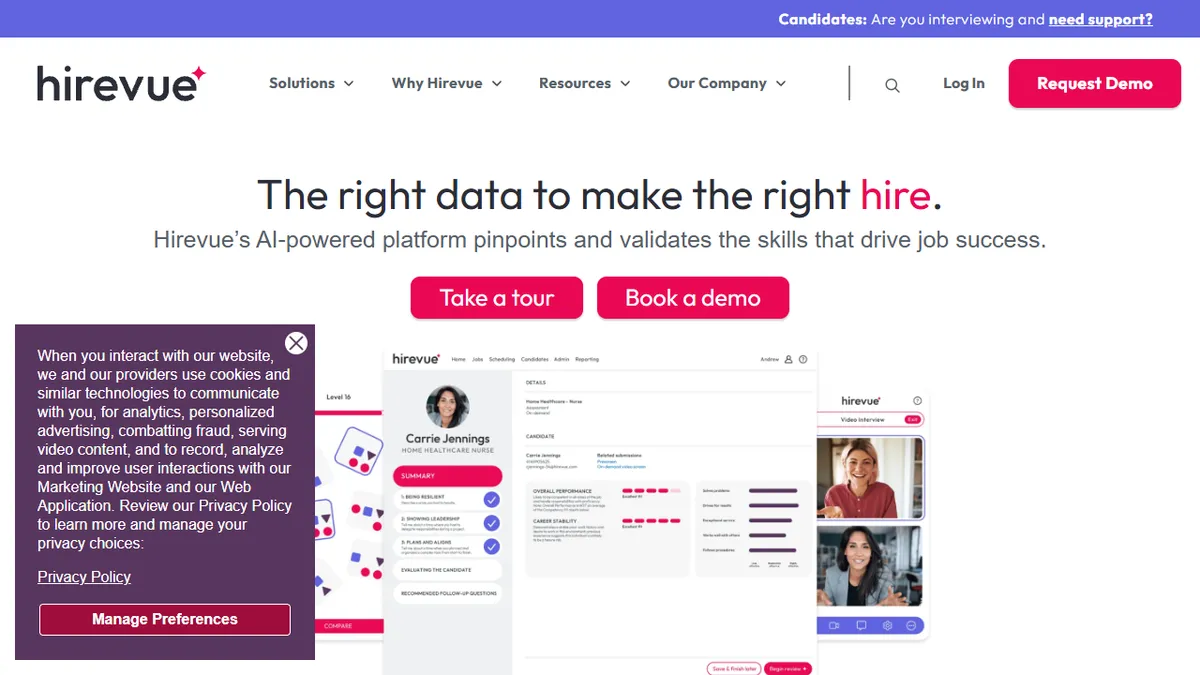
Hiring the right people can make or break a small business. Thankfully, AI is proving to be an invaluable ally in the recruitment process. Platforms like HireVue and SmartRecruiters are using AI to streamline hiring by automating resume screening and candidate evaluations.
HireVue’s AI analyses video interviews to assess candidates' competencies based on facial expressions and verbal cues. It’s like having a virtual HR department that never tires and is always unbiased.
Meanwhile, SmartRecruiters offers AI-driven recommendations from a vast pool of candidates, matching them based on skill sets and culture fit. This drastically reduces the time-to-hire, allowing businesses to fill crucial roles faster and with more precision.
AI-powered hiring tools ensure that small businesses don't just fill positions quickly; they fill them with the best possible candidates.
- HireVue: Video interview analysis
- SmartRecruiters: Candidate matching
- LinkedIn Talent Solutions: Intelligent search features
FAQ: Are AI tools in recruitment biased?
AI can inherit biases present in training data. Continuous improvements and human oversight are crucial to minimize such biases in AI-driven recruitment tools.
Contrarian View: The AI Skeptics
Despite the benefits, not everyone is sold on the AI wave in small businesses. Some skeptics argue that AI tools can be cost-prohibitive, especially for micro-businesses with razor-thin margins. The upfront investment in AI might be daunting without guaranteed ROI.
There’s also the concern over over-reliance. When businesses depend too heavily on AI, they risk losing the human touch that differentiates them from impersonal corporate giants. A chatbot, however sophisticated, may never replace the warmth of a well-trained customer service rep.
“AI is a powerful tool, but it should not replace the human elements that build customer loyalty and brand trust.” - Sarah Lopez, Small Business Specialist
Additionally, with AI's potential biases and data privacy concerns, some small business owners are hesitant to fully dive in. They argue that when AI fails, the fallout can be significant, from mismanaged finances to PR disasters.
FAQ: Is AI too risky for my small business?
AI involves risks like any technology. However, these can be mitigated through careful tool selection, ongoing oversight, and a balanced integration with human input.
Conclusion
Artificial intelligence, once the domain of futurists and tech giants, is now an integral asset for small businesses. The tools available today offer more than just novel capabilities; they provide small businesses with a competitive edge once reserved for larger players.
From financial management to recruitment, and from marketing to inventory control, AI is reshaping the way small businesses operate. It's about working smarter, not harder, and leveling the playing field in an increasingly competitive market.
Yet, it's crucial for business owners to approach AI with a balanced perspective. Embrace the technology, but don't abandon the human touch that defines your brand. After all, authenticity is a small business's greatest asset.
The future of small business is not AI alone; it’s the harmonious blend of human ingenuity and machine intelligence.
In conclusion, AI is neither a myth nor a magic bullet. It’s a tool—powerful when used wisely and dangerous when relied upon blindly. Small businesses that master this balance will not only survive but thrive in the years to come.