AI Chatbots 2026: Beyond ChatGPT, What’s Worth Your Time?
Intro: AI Chatbots in 2026 — More than Just ChatGPT
AI chatbots have become an integral part of our digital interactions, and while OpenAI's ChatGPT has been a front-runner, it's not the only player in town anymore. The landscape has evolved, offering a buffet of options that cater to different needs and preferences. But with so many choices, which ones actually stand out?
In this piece, we'll delve into notable alternatives to ChatGPT that are making waves in 2026. We're talking specifics here: from Google's Bard to Meta's ALICE, and even some underdogs who are punching above their weight. Each offers something unique that might just align better with what you're looking for.
Whether you're a business leader seeking efficiency, a developer looking for integration capabilities, or just an AI enthusiast wanting to explore, this guide will arm you with the information you need to choose wisely. So, grab a cup of coffee and let's dive into the world beyond ChatGPT.
ChatGPT Competitors Worth Your Attention
With the AI arms race in full swing, several companies have stepped up their game to compete with ChatGPT. These aren't just copycats; each brings something distinct to the table. Let's look at the players vying for your attention.
Google's Bard has been touted as one of the most advanced AI chatbots on the market. With its integration into Google's ecosystem, Bard offers seamless access to Google's vast data resources, making it a powerhouse for information retrieval.
Meta's ALICE is another major contender, leveraging Meta's social media dominance to create a bot that understands the nuances of human interaction better than most. ALICE focuses on context and emotional intelligence, aiming to create more engaging conversations.

Then there's the wild card, Anthropic's Claude. Claude focuses heavily on ethical AI and user safety, appealing to privacy-conscious users who are wary of data misuse. This makes Claude an attractive option for companies dealing with sensitive information.
| AI Chatbot | Unique Feature | Target Audience |
|---|---|---|
| Google Bard | Deep integration with Google services | Information seekers, businesses |
| Meta ALICE | Advanced emotional intelligence | Social media users, marketers |
| Claude by Anthropic | Focus on ethics and privacy | Security-focused enterprises |
Google's Bard: Catching Up or Leading?
Google's Bard has been the talk of the town for its seamless integration with other Google products like Search and Workspace. This creates a unified AI experience that's hard to beat, particularly for businesses deeply embedded in Google's ecosystem.
Bard's strength lies in its ability to access real-time data and perform tasks beyond mere conversation, making it a tool for completing complex workflows.
Despite this, Bard has faced criticism for not being quite as personable as ChatGPT. Users have pointed out that while Bard is a data behemoth, it sometimes lacks the conversational finesse that makes interactions with ChatGPT feel more human-like.
Still, Bard's access to Google's endless pool of data gives it a competitive edge. It's particularly adept at handling research-intensive queries, making it a favorite among academics and professionals. But keep in mind, if personality and creativity are what you're after, Bard might not be your best bet.
Meta's ALICE: More Than Hype?
Meta's ALICE is a bold step into AI chatbots, framing herself as the most human-like option yet. Drawing from Meta's repositories of social data, ALICE offers a level of contextual awareness that's hard to match. This makes her particularly engaging in conversational AI tasks.
Unlike Google's Bard, ALICE excels in understanding social cues and emotional undertones, thanks to Meta's advancements in machine learning. Users have reported ALICE to be exceptionally good at maintaining the flow of conversation, making her a charming choice for customer service roles.
However, the reliance on Meta's data pools raises significant privacy concerns. Critics argue that Meta's track record on privacy isn't exactly spotless, and ALICE's operations could be another chapter in this ongoing saga.
Despite these concerns, ALICE has found a niche among businesses looking to humanize their customer interactions. Her ability to engage genuinely makes her a top contender in markets where user experience is paramount.
Innovative Underdogs: Who's Surprising Us?
While the big players get most of the attention, some lesser-known names are making surprisingly effective AI chatbots. Take Replika, for example. Originally designed as a personal companion, Replika has developed unique conversational capabilities that some users find refreshing.
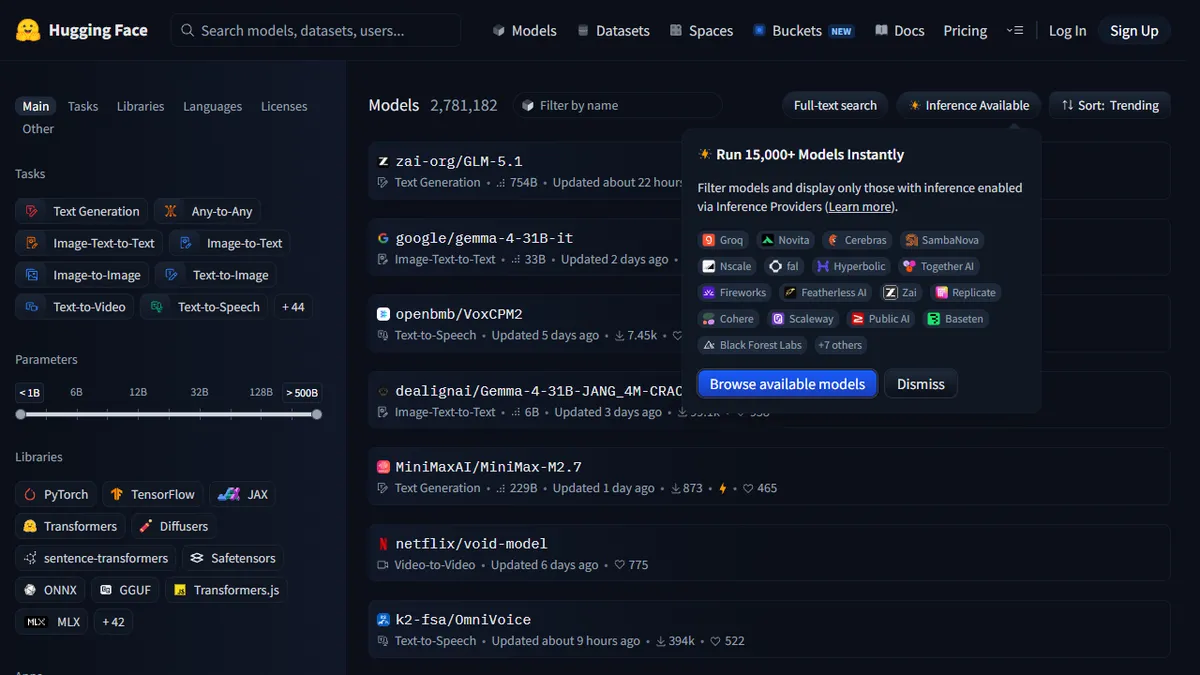
Hugging Face is another fascinating entry. Known for its open-source ethos, the company offers tools that allow users to create customized AI models, including chatbots. This flexibility is invaluable for developers who want to mold the chatbot to specific needs.
Then there's Jasper, a dark horse gaining traction for its specialized approach to content creation. Jasper isn't just any chatbot; it's designed to assist with writing, making it a favorite among bloggers and marketers who need a creative spark.
These underdogs are proving that innovation doesn't just come from big budgets and wide-scale operations. They're showing that with the right focus, niche products can carve out substantial market segments.
Bonus: Lesser-Known Features of Replika
- Highly customizable personality settings
- Integration with VR platforms for immersive experiences
- Emotional tracking and mood analytics
Overrated Bots: Time to Move On
Not every AI chatbot deserves the spotlight. Some, despite their initial promise, have failed to deliver. Microsoft's earlier chatbot efforts, for instance, have been inconsistent. Remember Tay? That was a painful lesson in underestimating the internet's potential for mischief.
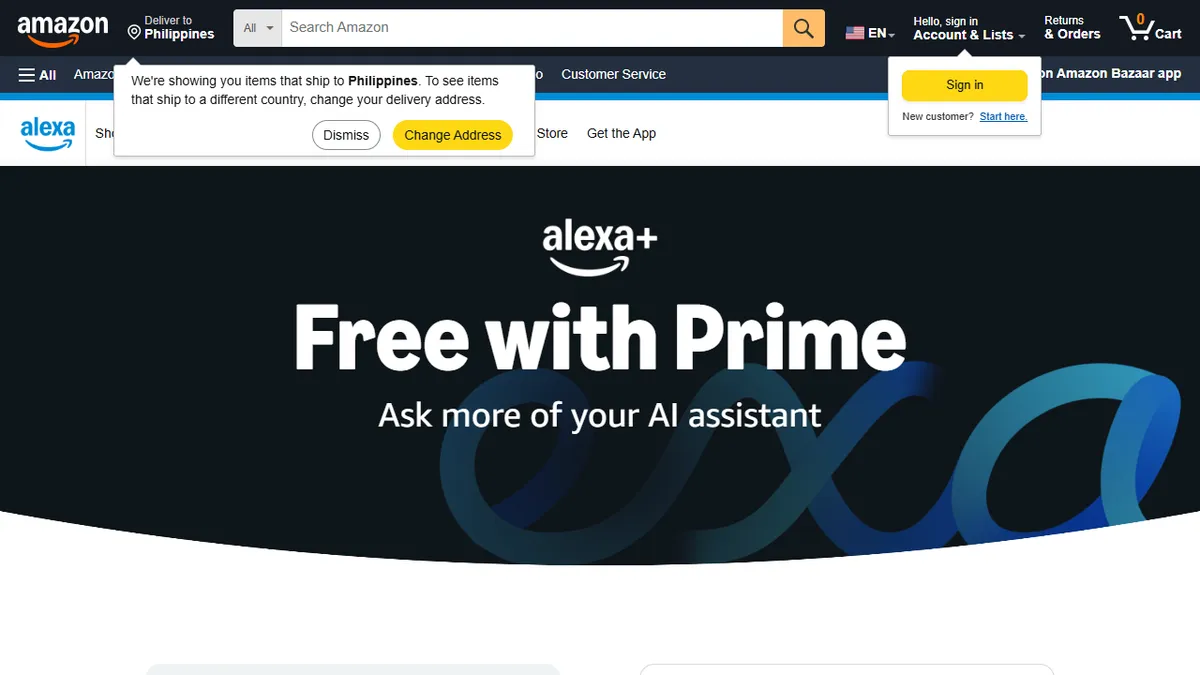
Then there's Samsung's Bixby. Originally touted as a breakthrough in AI interaction, Bixby has struggled to keep pace with the competition. Despite multiple updates, users often find it less intuitive than its rivals, especially when compared to Amazon's Alexa or Apple's Siri.
Even the most hyped chatbots can fall short if they can't meet user needs or fail to evolve.
These cases remind us that not every chatbot with big-brand backing will work seamlessly. It’s crucial to evaluate AI tools based on functionality and adaptability rather than name recognition alone.
What Makes a Chatbot Overrated?
- Lack of integration with popular platforms and services
- Inability to handle nuanced or complex queries
- Poor user interface and interaction design
The Business Perspective: Workhorses or Gimmicks?
For businesses, the utility of AI chatbots can vary drastically. Some companies find them indispensable for customer interaction and data gathering, while others see them as expensive gimmicks with limited ROI. The deciding factors often boil down to implementation and use case.
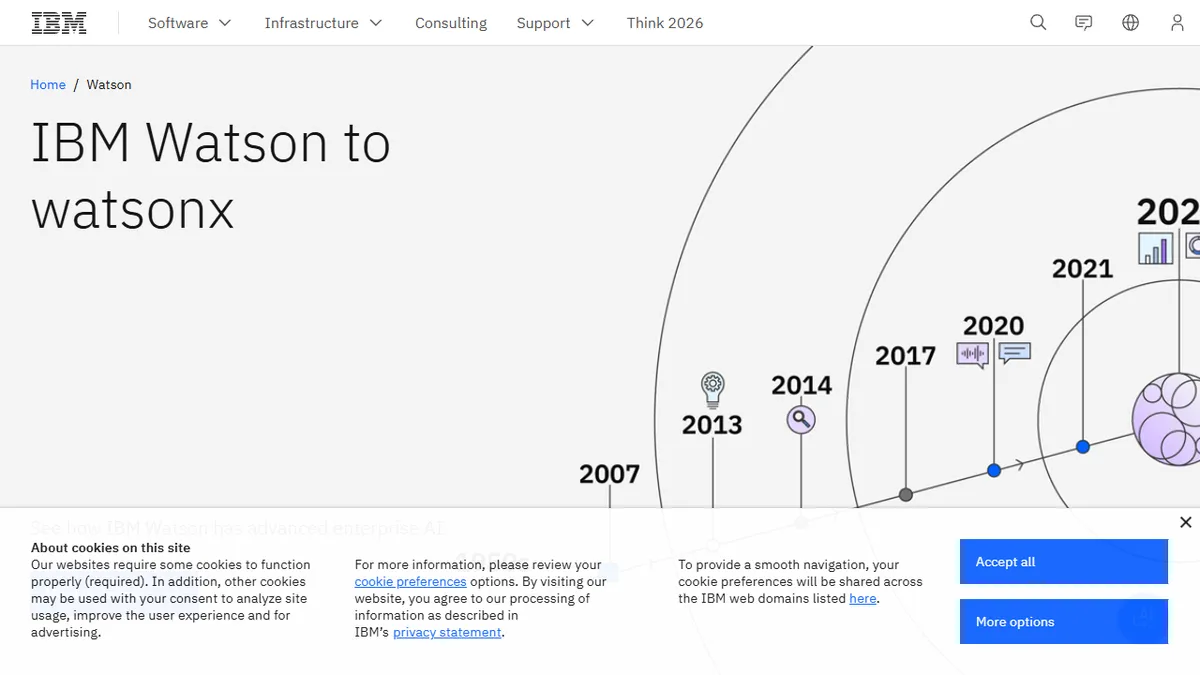
Enterprises like IBM have harnessed Watson's capabilities to enhance data-driven decision-making and streamline customer service. Watson has proven particularly valuable in healthcare, assisting professionals with data management and patient interaction.
On the flip side, certain sectors find chatbots more trouble than they're worth. In industries requiring deep human insight, like luxury sales or bespoke services, AI often fails to replace the nuance and personal touch that customers expect.
Chatbots are workhorses when used to automate routine tasks and gather data; they're gimmicks when misapplied.
FAQs on Chatbots in Business
- Can chatbots fully replace human customer service? Unlikely, as they lack the empathy and personal touch of human interactions.
- Are chatbots cost-effective? Yes, when deployed effectively to automate repetitive tasks, freeing up human resources.
- Do all businesses need chatbots? No, their utility depends heavily on the industry and specific business needs.
User Experience: AI That Actually Listens
If there's a holy grail for chatbots, it's the ability to truly understand and respond to user intentions. While many bots claim to "listen," few excel in delivering tailored experiences. OpenAI's ChatGPT still leads here, but others are catching up fast.
Soul Machines, a New Zealand-based company, brings a novel approach with its Digital People platform. These AI-driven avatars provide a level of interaction that feels less transactional and more engaging, adapting to user behavior and preferences.
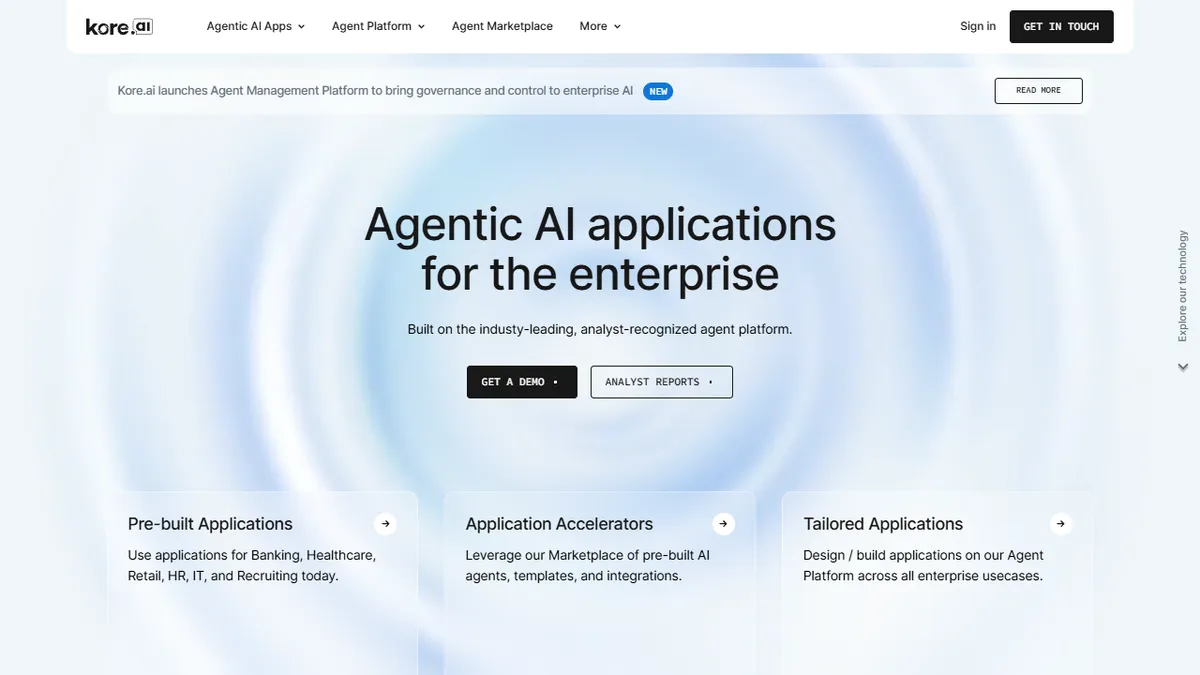
Similarly, Kore.ai focuses on natural language understanding to ensure their bots don't just respond, but do so in a way that feels genuinely conversational. This is crucial for sectors like healthcare and finance, where precision and clarity are non-negotiable.
The success of AI interaction lies in a bot's ability to understand context and respond dynamically.
Why Does User Experience Matter in AI?
- Improves customer satisfaction and engagement
- Increases the likelihood of task completion
- Encourages brand loyalty and positive reviews
Conclusion: The Future of Chatbots and Your Role in It
As AI chatbots advance, their role in our lives is set to expand. From personal assistants to customer service representatives and beyond, these tools are becoming more versatile and capable. But with this evolution comes responsibility, both for developers and users.
Developers must prioritize ethical AI practices, ensuring user data is respected and privacy maintained. This involves ongoing innovation, not just in capabilities but in safeguarding against misuse. Users, on the other hand, should remain informed and discerning, choosing tools that align with their values and needs.
The future of chatbots will hinge on balancing innovation with ethics and practicality.
Will AI replace all human interaction? Unlikely. But it will enhance and augment the ways we connect, learn, and even heal, offering a level of accessibility never before possible. Your role, whether as a creator or consumer, is to steward this technology wisely.
What's Next for AI Chatbots?
- Integration with augmented reality for immersive experiences
- Advanced emotional recognition capabilities
- Greater personalization through continuous learning algorithms
In the end, the best AI chatbots in 2026 won't just be the most advanced—they'll be the ones that resonate with users on a meaningful level, proving that even in a digital age, human connection is irreplaceable.