Open-Source AI Models: A 2026 Game Changer for Devs
Open-Source in AI: 2026's Unlikely Hero for Developers
At a time when proprietary AI models like those from OpenAI and Google seemed to dominate the conversation, open-source AI has quietly crept into the spotlight. The year is 2026, and open-source AI models are proving to be the unlikely heroes for developers seeking cost-effective, customizable, and transparent AI solutions. Gone are the days when developers had to choose between black-box proprietary models or cobbling together their AI systems from scratch.
The momentum shift towards open-source was sparked by several key players releasing top-tier models to the public. Companies like Hugging Face and EleutherAI have pushed the boundaries, demonstrating that open-source AI can compete robustly with their commercial counterparts. This democratization of AI technology has emboldened developers, providing them with unprecedented access to sophisticated tools that were once hidden behind paywalls.
It's no surprise that with this shift, we're witnessing an explosion of innovation and collaboration within the developer community. But what does this mean for the future of AI development? Let's break down the breakthroughs, challenges, and the major players currently shaping the open-source AI landscape.
The Breakthrough: Open-Source Enters New Era
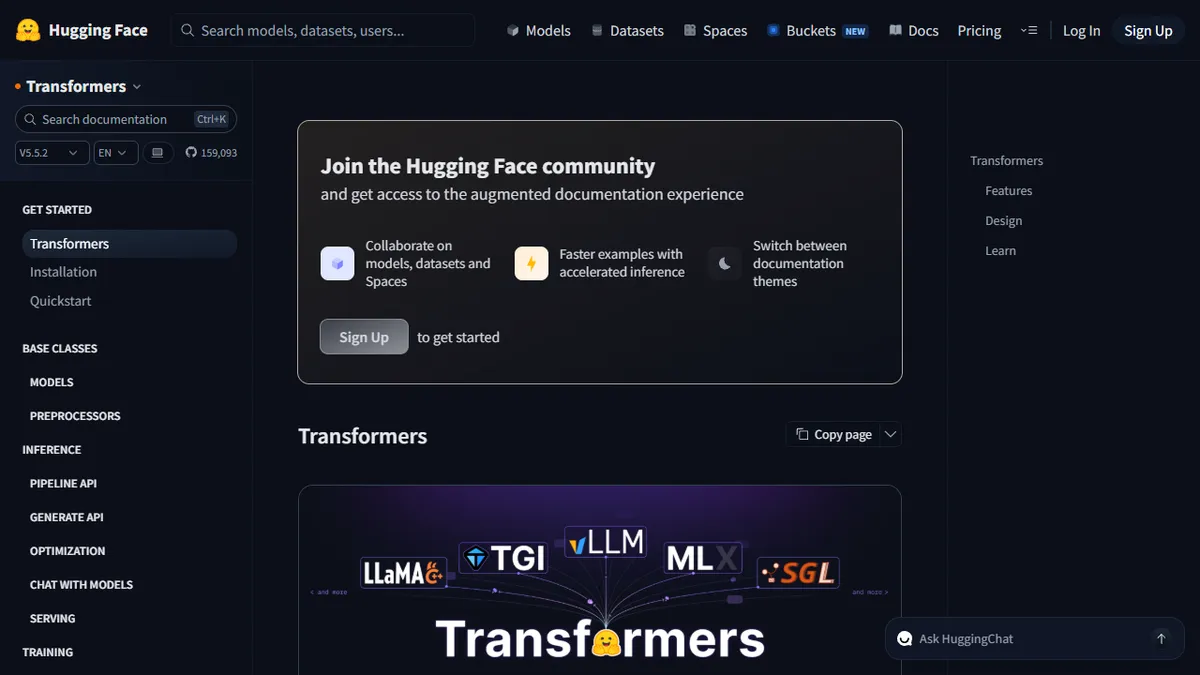
Open-source AI models have existed for some time, but the recent wave of developments has ushered in a new era of accessibility and capability. The game-changer came when Hugging Face released its Transformers library, a tool that has been pivotal in making state-of-the-art models available to everyone. This library became a cornerstone for developers, who could integrate cutting-edge models directly into their applications without exorbitant costs or complex licensing agreements.
Another significant breakthrough was the release of the GPT-Neo model by EleutherAI. In a bid to open the floodgates for innovation, EleutherAI developed and released GPT-Neo, an open-source alternative to OpenAI's GPT-3. With GPT-Neo, developers can deploy and fine-tune a large language model without the constraints imposed by commercial licenses. This has not only invigorated individual developers but also enabled small startups to compete on a level playing field.
These models are more than just powerful; they're a testament to the strength of community-driven development. Substantial contributions from a global pool of developers have fueled improvements in model performance, documentation, and usability. Open-source AI has proven to be more than just a cost-saving measure—it's a breeding ground for innovation and community collaboration.
Developers Rejoice: More Control, Better Tools
For developers, the appeal of open-source AI models lies in control, transparency, and customization. Proprietary models often lock developers into specific ecosystems, but open-source alternatives offer flexibility to modify and adapt models to specific use cases. This freedom is empowering developers to experiment and innovate like never before.
Take Google's TensorFlow and Meta's PyTorch, both of which are open-source frameworks that have become the foundation for many AI projects. These platforms offer extensive libraries and tools that allow developers to customize AI models at every level. With PyTorch, for example, developers appreciate the straightforward debugging processes and dynamic computational graphs, which enable real-time adjustments without recompiling code.

Moreover, open-source AI is not just about the code—it's about community. Platforms like GitHub are brimming with projects, plugins, and extensions contributed by developers worldwide. This collective knowledge and collaboration only strengthen the tools available, ensuring that bugs are swiftly addressed and new features are rapidly integrated. It's a symbiotic relationship where developers help each other, fostering an ecosystem of continuous improvement.
Who’s Leading the Charge?
Several entities are spearheading the open-source AI revolution, each with unique contributions. Hugging Face and EleutherAI are at the front lines with their powerful models and vibrant community engagement. Hugging Face alone hosts over 200,000 models on their platform, a testament to their commitment to open collaboration.
Beyond individual organizations, consortiums like the Open Neural Network Exchange (ONNX) are advancing interoperability among AI tools, easing the integration process for developers. By providing a shared model format, ONNX allows AI models to move seamlessly between different frameworks, reducing compatibility headaches and promoting a diverse ecosystem of AI solutions.
Even traditional tech giants like IBM and Microsoft are embracing open-source AI. IBM has contributed to the open-source community through projects like AI Fairness 360, which aims to address bias in machine learning models. Meanwhile, Microsoft's Azure AI services are increasingly integrating open-source tools, acknowledging that flexibility and transparency are key drivers for their developer base.
The Dark Side: Challenges Ahead
While open-source AI models present many opportunities, they are not without challenges. One significant concern is the sustainability of open-source projects. Many are maintained by small teams or even individuals, relying on donations, sponsorship, or goodwill, which can be precarious.
Security is another pressing issue. Open-source models might be more susceptible to vulnerabilities simply because they are more accessible. Malicious actors could potentially exploit open-source codebases, a risk that requires developers to be vigilant and proactive in maintaining security best practices.
There is also the matter of resource requirements. High-performance models often demand substantial computational power and storage, which can be prohibitive for small developers or organizations. Solutions like cloud-based AI services partially alleviate this issue, but they reintroduce some of the control limitations that open-source models aim to overcome.
The open-source AI movement is both an opportunity and a challenge—it democratizes AI but requires a community vigilant against security and sustainability concerns.
As developers navigate these challenges, the open-source AI community continues to forge ahead. By addressing these issues head-on, open-source AI has the potential to not only keep pace with proprietary solutions but to redefine what accessible innovation looks like in the digital age.
Economic Implications: Free Isn’t Always Cheap
Open-source AI's appeal largely stems from its zero-cost price tag. However, developers quickly learn that "free" often includes hidden costs. While there's no licensing fee, the resources needed to effectively run these models can be significant.
High-performance models, such as GPT-Neo, require substantial GPU power to train and deploy. This infrastructure isn't easily accessible to small startups or solo developers without investing in cloud services, which can quickly become expensive.
"Open-source may be free, but running and maintaining these models often involves significant hidden costs," notes an independent AI developer.
Moreover, the expertise required to effectively leverage open-source tools isn't trivial. Developers must invest time in learning the intricacies of these models, and companies may need to hire specialists to manage and deploy AI solutions, further adding to operational costs.
How can small developers manage the costs of open-source AI?
Many turn to cloud credits offered by providers like AWS and Google Cloud for startups. Participating in collaborative grant programs can also offset expenses.| Cost Component | Description |
|---|---|
| Computational Resources | High-performance hardware or cloud GPU instances |
| Specialized Expertise | Skills required to deploy and maintain AI models |
| Time Investment | Learning and integrating models into existing systems |
Corporate vs. Community: The Ongoing Battle
The tension between corporate interests and community-driven development within open-source AI is palpable. Corporations benefit from open-source models, often using them as a foundation to create proprietary enhancements. However, this symbiosis can lead to friction.
OpenAI's approach serves as a case in point. They initially embraced open-source with models like GPT-2, but have since shifted to a more guarded stance with GPT-3 and beyond, driven by concerns over misuse and competitive advantage.

While corporations argue that some level of control is necessary to ensure safety and quality, the open-source community often views this as a limitation to innovation. Balancing transparency with responsibility remains a core challenge.
How do companies contribute to open-source without compromising competitive edges?
Many use a dual-license model or contribute tools and infrastructure, while keeping core technologies proprietary.- Hugging Face: Community-first, open collaboration
- EleutherAI: Open-source pioneers challenging the giants
- Google AI: Balancing open-source contributions with proprietary advances
- OpenAI: Struggling between open access and control
Will Proprietary AI Survive?
Despite the overwhelming momentum of open-source AI, proprietary AI models are not going away. Companies like Google and Microsoft have too much at stake and leverage proprietary solutions as a competitive advantage.
Many corporations argue that their models offer superior performance, security, and support compared to open-source alternatives. These attributes can be crucial in enterprise applications where reliability and accountability are paramount.
"Proprietary solutions promise better support and robust performance, factors that remain critical in high-stakes environments," states a tech analyst at Gartner.
Proprietary models also often include services that open-source lacks, such as real-time support, tailored optimizations, and proprietary datasets. These features are appealing to businesses that prioritize stability over flexibility.
Why do some developers prefer proprietary AI over open-source?
Proprietary AI often offers comprehensive support, higher reliability, and access to exclusive datasets, making it appealing for commercial applications.| Feature | Proprietary AI | Open-Source AI |
|---|---|---|
| Cost | Licensing fees | Free, but resource-intensive |
| Flexibility | Limited customization | Highly customizable |
| Support | In-depth, vendor-provided | Community-driven, variable |
Conclusion: The Future is Open, but Not Without Caveats
There's no denying the transformative potential of open-source AI for developers. It offers unprecedented freedom, flexibility, and the ability to innovate without the confines of the traditional corporate model. Yet, this freedom isn't free from challenges.
Sustainability, security, and cost are substantial hurdles that must be addressed if open-source AI is to maintain its upward trajectory. The community must continue to invest in robust solutions that enhance security and sustainability without compromising the open-access nature that defines it.
"The key to open-source AI's future is a balanced approach—leveraging the community's strengths while addressing its weaknesses," suggests a prominent open-source advocate.
As for proprietary AI, it will continue to hold its ground, appealing to enterprises that value security and reliability. The future of AI will likely involve a hybrid approach, where open-source and proprietary models coexist, complementing each other's strengths.
The road ahead is not just about choosing between open-source and proprietary, but about fostering an ecosystem where both can thrive, driving innovation across the board. The AI landscape may evolve, but the core tenet remains constant: empowering developers to build and innovate.