AI Search Engines vs Google: Who's Winning in 2026?
It's 2026, and the world of search is more exciting than ever. For decades, Google has reigned supreme, but artificial intelligence is shaking things up in ways we couldn't have imagined a few years ago. AI search engines are not just competitors; they're transforming the very nature of how we interact with information.
So, what exactly is happening in the realm of search, and how are AI-driven engines challenging traditional ones like Google? Buckle up, as we delve into the nitty-gritty of AI search, dissecting both the technology and its implications.
Google's Long-Standing Dominance
Before we unravel the impact of AI, let's acknowledge where it all began. Google's search algorithms, rooted in PageRank and refined over the years, have set the gold standard. As of 2025, Google still held a substantial 85% of the global search market.
This isn't just about numbers. Google's ecosystem is vast—covering everything from Gmail to Google Maps—which fuels its data-driven accuracy. It’s a hard act to follow, but AI engines are making strides.
"Google isn't just a search engine; it's an information behemoth. But AI-driven contenders are no longer playing catch-up; they're innovating in fresh directions." - TechCrunch, 2026
Enter AI Search Engines
AI search engines like ChatGPT-powered Bing and Neeva have emerged as serious players. These aren't about mimicking Google's model. Instead, they leverage deep learning and natural language processing to understand and predict user intent.
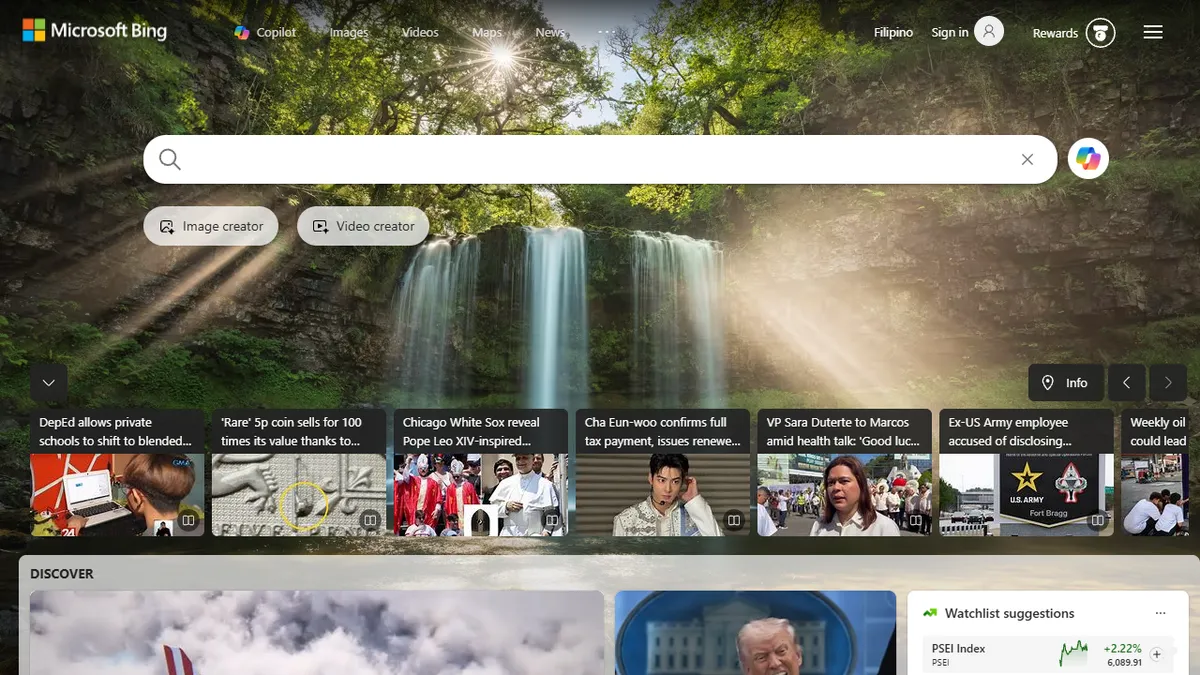
Consider Bing's AI. It's not just offering links but engaging users with contextual answers, akin to having a personal assistant. Microsoft reported a 30% increase in Bing usage from 2024 to 2025, attributing much of this growth to its AI capabilities.
Moreover, Neeva, with its focus on privacy, offers a subscription-based model that eschews ads entirely—a stark contrast to Google's ad-driven approach. In 2025, Neeva captured 5% of the U.S. market, a testament to growing consumer fatigue over data exploitation.
Comparative Analysis: AI vs Traditional Search Engines
| Feature | Bing AI | Neeva | |
|---|---|---|---|
| Algorithm Base | RankBrain, BERT | Deep Learning, NLP | AI-Driven, Privacy-Focused |
| Ad Model | Primarily Ad-Driven | Ad and Subscription Hybrid | Subscription Based, No Ads |
| User Personalization | Extensive | Moderate | Minimal |
| Market Share (2025) | 85% | 10% | 5% |
AI's Edge: Context and Customization
One of the key strengths of AI search engines is their ability to provide contextually rich answers. Users aren't just receiving a list of articles; they are getting answers tailored to their specific queries. It's a move from information retrieval to information synthesis.
For instance, when asking Bing about "the best electric cars in 2026," you're likely to get a summary that includes pros and cons, user reviews, and even pricing—all in one place. This level of customization is redefining user expectations.
Furthermore, as AI becomes more sophisticated, these answers are becoming more conversational and intuitive, turning search into a dialogue rather than a monologue.
Privacy Concerns: Is AI Search Safer?
In today's digital age, privacy is a growing concern. Traditional search engines, with their ad-driven models, often exploit user data extensively. AI search engines like Neeva are capitalizing on this by ensuring user data is kept private.

This pivot towards privacy can be a double-edged sword. While it appeals to privacy-conscious users, it can limit the depth of personalization that data-rich algorithms offer. It's a delicate balance between privacy and customization.
As the debate rages on, users are becoming more discerning, often weighing their need for privacy against the benefits of personalized search results.
User Experience: The AI Advantage
AI search engines are winning user loyalty with sleek interfaces and user-centric design. OpenAI's collaboration with Microsoft on Bing's AI upgrade has led to a cleaner, more intuitive search experience.
- Responsive Design: AI search engines are optimized for all devices, providing a consistent experience.
- Voice Search: With AI, voice queries have improved accuracy, handling complex questions with ease.
- Interactive Results: Users can interact with search outcomes, asking follow-up questions directly from the results page.
These innovations are not just gimmicks. They represent a fundamental shift towards more engaging, customizable search experiences, drawing users away from more static search results.
The Future of Search: Integration and Innovation
Looking ahead, the integration of AI into everyday search is likely to increase. Expect to see more AI-driven personalization and context-aware features that anticipate user needs before they even make a query.
Innovations like augmented reality (AR) search are on the horizon, promising to overlay digital information onto the physical world, providing a more immersive search experience. Google Lens has already dabbled in this, but AI engines are poised to take it further.
Bonus: What is AR Search?
AR search involves using your device's camera to search the real world. Point your camera at an object, and the search engine provides information, reviews, or user guides relating to it. Imagine shopping for furniture and seeing how a piece might look in your home, all through your phone.
Deep Dive: AI and Search's Changing Dynamics
As AI technologies advance, the dynamics of search are evolving in significant ways. The shift from keyword-based searches to intent and context-driven queries is altering how users interact with search engines.
AI search engines are increasingly employing advanced techniques such as neural matching and semantic indexing. Neural matching enables these engines to understand concepts rather than just words, thereby aligning more closely with user intent. Semantic indexing, on the other hand, allows for a broader understanding of the content, linking related ideas and themes to produce more comprehensive results.
This transformation is not just technical but cultural. Users are growing accustomed to a more natural interaction style, expecting systems to 'understand' them in a way that mirrors human conversation. This evolution is setting new standards for usability and accessibility, particularly for individuals with disabilities who benefit from the more accessible formats AI-driven search can provide.
Economic Implications: The Cost of the AI Revolution
The rise of AI search engines also brings significant economic implications. The ad-driven model that Google has perfected over the years is being scrutinized as users opt for subscription-based, ad-free experiences offered by competitors like Neeva.
This shift could potentially redefine revenue models across the digital landscape. While subscription models offer a steady income, they may not match the immense profits generated from advertising. On the flip side, the increased emphasis on privacy and user control might drive a more loyal customer base, willing to invest in services that respect their data rights.
Moreover, as companies invest heavily in AI, the demand for AI expertise is surging, triggering a ripple effect across sectors. This demand is spurring job growth in areas such as machine learning, data science, and AI ethics, reshaping the job market. However, this also raises questions about the displacement of jobs, particularly those that can be automated by AI technologies.
Conclusion: The Search for Supremacy
In 2026, the search engine battle is more than just a competition; it's a quest for the future of how we interact with the world's information. AI-driven search engines are not just nibbling at Google's heels—they're sprinting ahead in key areas.
With AI comes unprecedented opportunities for innovation, from context-rich queries to privacy-focused models. For Google, maintaining dominance will mean evolving its services beyond traditional paradigms.
"The future of search is not just about finding but understanding—a journey from search engines to answer engines." - The Verge, 2026
Whether one leads or another emerges as a dark horse, one thing is clear: the search engine race is far from over. We’re witnessing the dawn of a more intelligent era of search.