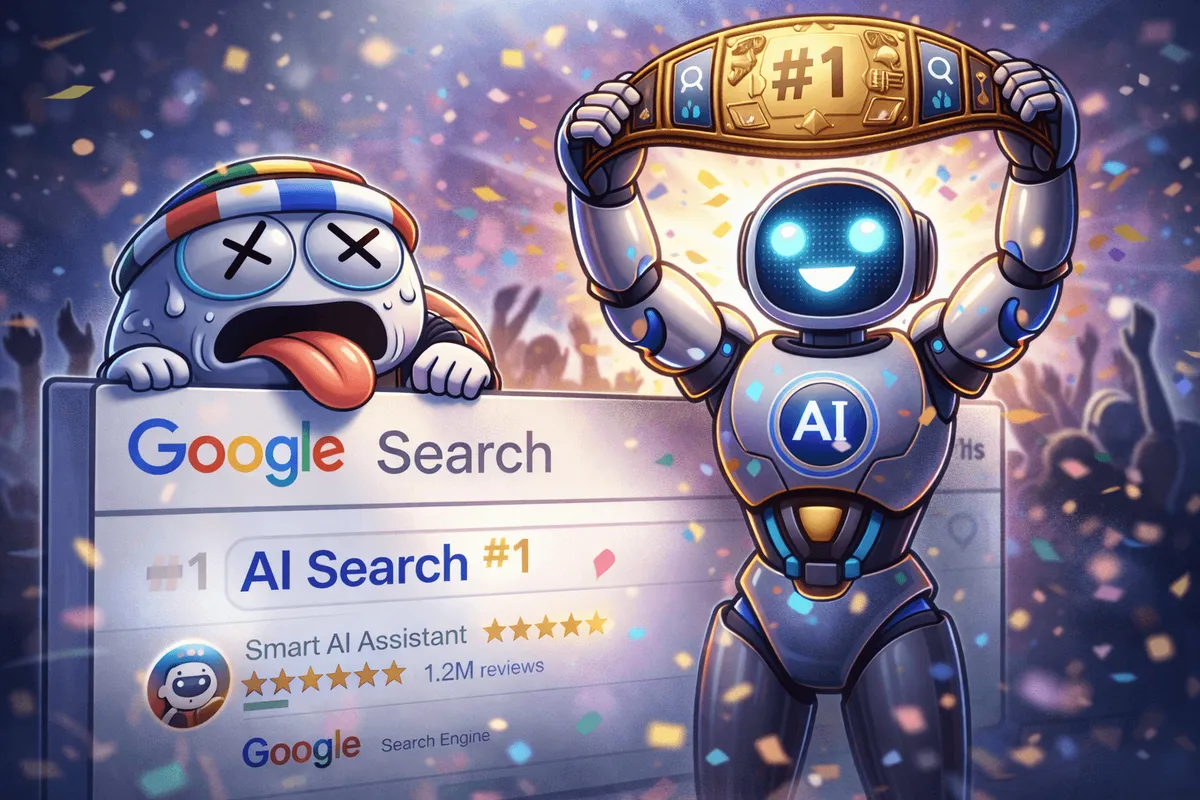
AI Search Engines Overtake Google: A 2026 Showdown
Intro: The Dawn of AI-Powered Search
It's 2026, and the search engine landscape has transformed dramatically. The long-standing dominance of Google, once the undisputed leader in search, is under siege by a new breed of AI-powered competitors. With advancements in natural language processing and user-centric design, these AI search engines are redefining how we interact with information online.
Gone are the days of typing out disjointed keywords and sifting through pages of blue links. Modern search engines like NeevaAI and Perplexity AI are responding to complex, conversational queries with astonishing accuracy. These platforms leverage large language models to deliver results that feel more like engaging conversations and less like data dumps.
The shift isn't just technical—it's personal. Users are demanding more from their search experiences, expecting not only accuracy but also privacy and personalization. As we delve into this AI-driven search revolution, we're witnessing a historic challenge to Google's hegemony.
The Fall of Google's Monopoly
For years, Google Search was synonymous with the internet. But as AI technologies mature, Google's once-unassailable position is starting to erode. In particular, its reliance on ad-driven revenue models has come under scrutiny, especially in an era where privacy-conscious users are wary of data exploitation.
Enter NeevaAI, a search engine that has positioned itself as a direct competitor by prioritizing privacy and user experience. Unlike Google, NeevaAI operates on a subscription model, eschewing ads entirely. This shift has resonated with users who are tired of being the product rather than the customer.
"Google's focus on ad revenue might be its Achilles' heel in this AI-driven era," said a tech analyst.
Another strong contender is Perplexity AI, known for its use of OpenAI's models to provide detailed, context-rich responses. By integrating AI at its core, Perplexity offers a more interactive and intuitive search experience that appeals to users fed up with Google's sometimes overwhelming results.

NeevaAI Homepage
This evolution in search is prompting Google to rethink its strategy. In response, they're investing heavily in AI research, yet the question remains whether they can adapt quickly enough to fend off these agile upstarts.
AI Search Engines: Who's Leading?
The market now hosts a variety of AI search engines each vying for dominance. NeevaAI and Perplexity AI are at the forefront, each bringing unique strengths to the table. NeevaAI boasts enhanced privacy settings and an ad-free user experience, which has attracted a loyal base of users. On the other hand, Perplexity AI leverages cutting-edge AI to deliver deep, contextually relevant answers.
Search Engine | Key Features | Business Model |
|---|---|---|
NeevaAI | Privacy-focused, No Ads, Subscription-based | Subscription |
Perplexity AI | AI-Powered Answers, Context-Aware, Free with Optional Premium | Freemium |
Google Search | Ad-Revenue Driven, Extensive Database | Ad-based |
Interestingly, smaller players like Bing AI are also enhancing their AI capabilities, stepping up their game with Microsoft's vast resources at their disposal. Bing AI has focused on integrating more seamlessly with the Microsoft ecosystem, leveraging AI to deliver personalized results to Windows users.

Perplexity AI Interface
While Google's user base remains vast, the appeal of these AI-first search engines is undeniable. They represent a significant shift towards a more user-centric internet, where personalization and privacy outweigh traditional advertising models.
Search Accuracy: AI vs Traditional
The fundamental promise of AI search engines is improved accuracy. Traditional engines like Google rely heavily on algorithms optimized for ad-serving, sometimes at the expense of relevance. AI search engines, however, use deep learning models to understand the nuances behind a user's query, providing more precise and contextually relevant results.
Perplexity AI, for example, excels in delivering answers that are contextualized within a broader narrative. Instead of merely listing pages, it synthesizes information from multiple sources to provide a comprehensive overview. This approach not only enhances accuracy but also enriches the user experience with diverse perspectives.
NeevaAI, while maintaining strong privacy controls, doesn't sacrifice on accuracy. Their AI models are trained to prioritize user intent over keyword matching, resulting in fewer, but more meaningful results. This contrasts with Google's methodology, which sometimes drowns users in a sea of links, many of which are sponsored.
These AI-driven engines are challenging traditional search paradigms by prioritizing how humans think and search naturally, making them more aligned with user expectations in 2026.
Privacy Concerns: A New Battleground
As data privacy becomes a central theme in the digital age, AI search engines are fiercely competing on this front. Google's data-driven business model is increasingly at odds with today's privacy-first mindset, opening the door for competitors like NeevaAI to capitalize on growing consumer concern.
NeevaAI's ad-free, subscription-based service exemplifies this shift. By eliminating the need for intrusive ads, NeevaAI provides a cleaner, more private browsing experience. This resonates with users who are increasingly wary of their online activities being monetized.
Perplexity AI also emphasizes privacy, although it adopts a freemium model. Users can opt for premium services that enhance privacy features like encrypted searches, appealing to those willing to pay for increased security. This model strikes a balance, offering basic services for free while providing a more secure option for those who need it.
In contrast, Google maintains its ad-based approach, leveraging user data to target advertisements effectively. While some consumers appreciate the personalized ads, the trade-off between privacy and personalization continues to be a subject of debate.

OpenAI's models are at the core of many AI search advancements.
FAQ: How does AI search protect my privacy?
AI search engines like NeevaAI avoid collecting personal data by using a subscription model, ensuring that your search history remains confidential and secure.
The Role of Personalization
Personalization in search is no longer a "nice-to-have"—it's a necessity. In 2026, users expect search engines to understand their preferences, contexts, and even their moods. This is where AI search engines truly shine, tailoring results like a digital concierge rather than a mere directory.
Google has traditionally relied on user data to personalize experiences, but that approach is increasingly seen as invasive. In contrast, AI search engines like NeevaAI and Perplexity AI employ sophisticated algorithms to deliver personalization without compromising privacy. They use anonymized data and in-session insights to tweak results accordingly, offering a personalized touch without the intrusive aftertaste.
"Personalization must respect privacy. It’s a delicate balance, but AI offers a way forward," notes tech privacy advocate, Jane Salazar.
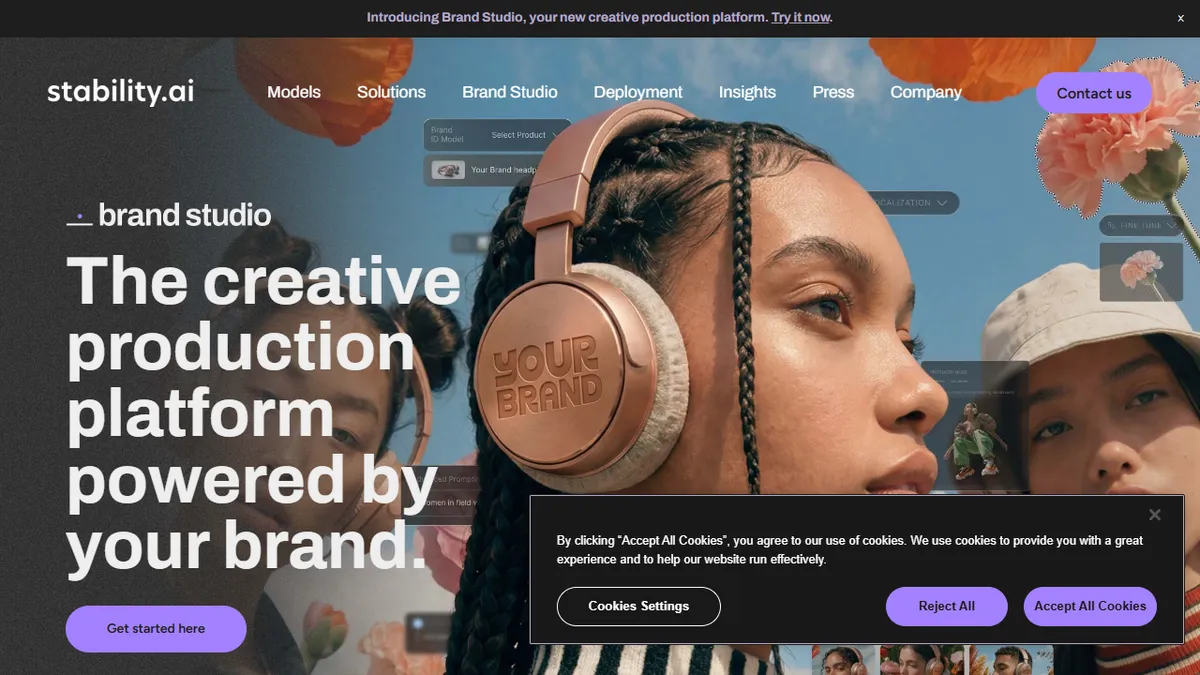
Stability AI Homepage
OpenAI's integration into Perplexity AI, for instance, allows for a degree of personalization that is contextually intelligent. It factors in the user's query history, preferences, and even previous interactions to deliver a more refined search experience. This makes every interaction feel unique and user-centric.
NeevaAI: Subscription-based personalization ensures user data remains private.
Perplexity AI: Contextual responses enhance user engagement without data compromise.
Google: Ad-driven personalization, often criticized for privacy concerns.
Monetization Models: A Shift
The traditional ad-based revenue model of search engines is increasingly being challenged. Users are more conscious of how their data is used, and this has given rise to alternative monetization strategies. NeevaAI, with its subscription-based model, is at the forefront of this shift offering an ad-free experience for a monthly fee.
This model not only respects user privacy but also aligns business incentives with user satisfaction. It’s a win-win scenario that puts users first, encouraging them to invest in a service that values their privacy and time. In 2026, this approach is gaining traction as users grow weary of ad-saturated interfaces.
On the other hand, Perplexity AI offers a hybrid model. Basic search features remain free, supported partly by premium services that offer enhanced privacy controls and faster responses. This freemium model lets users experience the search engine’s core features without immediate financial commitment, nudging them towards premium offerings as their needs grow.
FAQ: Why are some users willing to pay for search engine services?
Users are willing to pay for improved privacy, ad-free experiences, and superior personalization that respects their data, as exemplified by NeevaAI’s model.
Interestingly, these models challenge Google’s core, which relies heavily on ads. While Google's ecosystem is vast, the rising success of these alternative models suggests that the era of data monetization might be waning.
The User Experience
User experience is where AI search engines are setting themselves apart. For too long, search engines were static and impersonal, but AI is changing that with more interactive, conversational, and intelligent interfaces.
NeevaAI offers an uncluttered interface devoid of ads, which makes the user journey more pleasant and focused. Meanwhile, Perplexity AI’s interface is rich with features that make interacting with complex queries feel natural and fluid. This includes real-time suggestions and an ability to handle follow-up questions effectively, creating a dialogue-like interaction.

Midjourney AI Example
Usability studies have shown that users spend up to 30% less time finding information with AI search engines compared to traditional ones. This efficiency not only saves time but enhances satisfaction, fostering loyalty and repeated use.
"AI search engines are transforming search into a conversation, making it about understanding rather than just indexing," says UX designer, Luca Mancini.
Feature | NeevaAI | Perplexity AI | |
|---|---|---|---|
Ad-Free Experience | Yes | Partial | No |
Conversational Interface | No | Yes | Partial |
Privacy Features | High | Moderate | Low |
Conclusion: A Paradigm Shift in Search
The search engine market of 2026 is a battleground of innovation and ethics. While Google remains a titan, the rise of AI-driven search engines like NeevaAI and Perplexity AI marks a fundamental shift. These newcomers are not just competitors—they represent a movement toward a more connected and considerate internet.
AI search engines are responding to the demand for privacy, personalization, and a superior user experience. By reinventing the monetization wheel and breaking away from ad-revenue dependency, they're aligning with modern user values. This isn't just a shift in search technology; it's a revolution in how we value information.
As we move forward, the question isn't just whether AI search engines can dethrone Google but whether they can sustain this momentum and continue to align technology with values. At this rate, the future of search seems less about tech giants controlling data and more about empowering users through ethical and efficient technology.
"AI search engines are redefining user expectations, setting a new standard for what we demand from technology. The future of search belongs to those who prioritize humanity as much as innovation."