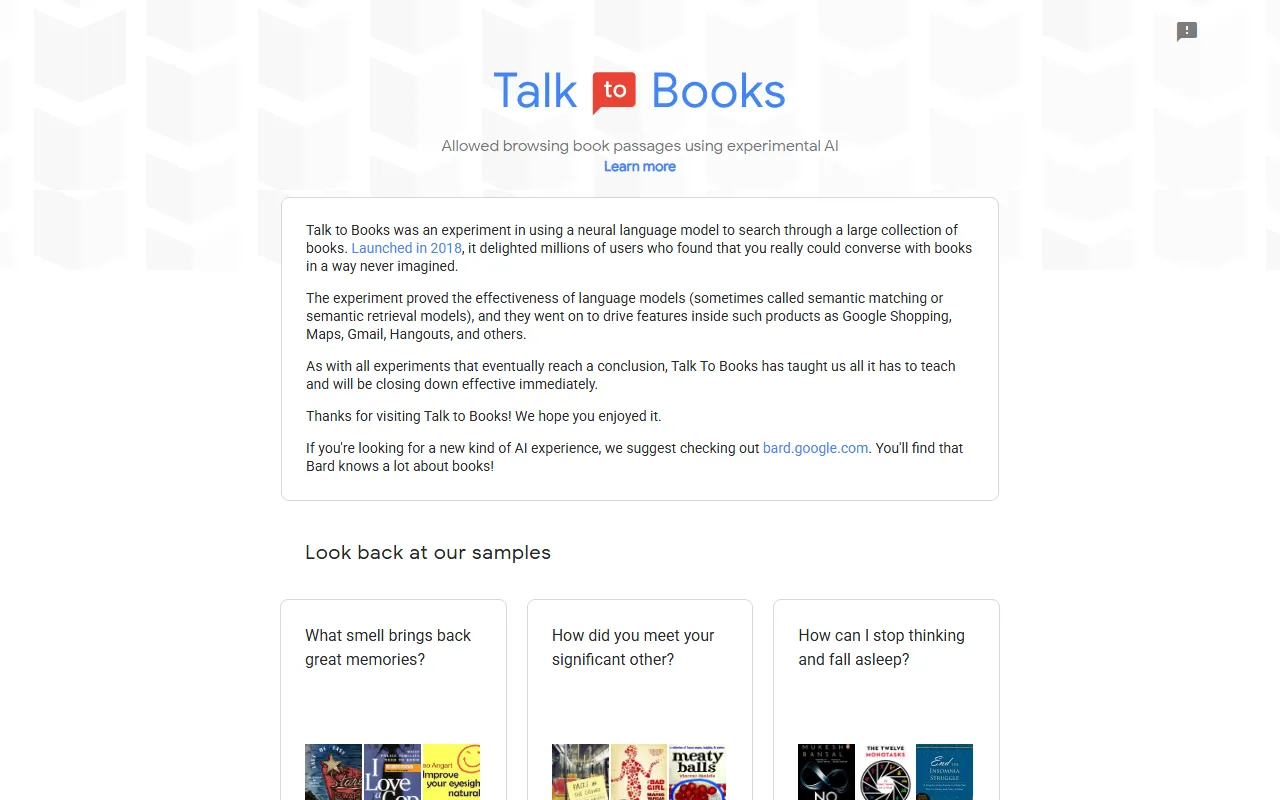
Talk to Books (Google)
Explore books effortlessly; ask questions and receive intelligent, conversational insights powered by AI.
Quick Take
Explore books effortlessly; ask questions and receive intelligent, conversational insights powered by AI.
What We Like
- Purpose-built for content creation and writing with features that directly address real user needs
- Comprehensive documentation and onboarding resources for new users
- AI models that improve and adapt based on your specific usage patterns over time
- Strong integration options that connect with existing tools and workflows
- Responsive and modern design that works seamlessly across devices and screen sizes
What Could Be Better
- Some niche use cases within content creation and writing may not be fully covered yet
- Internet connection required for AI processing and cloud-based features
- Results can vary depending on the quality and specificity of input provided
Pricing
FreeTool Overview
Tags
Talk to Books (Google) is making waves in the AI Writing space with its focused approach to content creation and writing. Explore books effortlessly; ask questions and receive intelligent, conversational insights powered by AI. Rather than trying to be everything to everyone, the platform has carved out a niche by concentrating on what writers, marketers, and content creators actually need to create more effectively.
We put Talk to Books (Google) through its paces to bring you this comprehensive breakdown. Below, you will find an honest assessment of its capabilities, strengths, limitations, and overall value. If you are evaluating tools in the writing and content production space, this review will give you the clarity you need to make an informed choice.
Features and Functionality
The feature set of Talk to Books (Google) reflects a deep understanding of what writers, marketers, and content creators actually need in their daily work. Here are the standout capabilities worth highlighting:
- Chat: Talk to Books (Google) provides robust chat functionality, allowing users to create with precision and efficiency. This feature is powered by advanced AI models that adapt to your specific use case and improve over time based on your interactions.
- Discovery platforms: The discovery platforms module in Talk to Books (Google) is designed with real-world usage in mind, providing practical tools that integrate smoothly into existing workflows without disruption. Users can configure this feature to match their specific requirements.
- Educational AI: With built-in educational ai capabilities, Talk to Books (Google) helps writers, marketers, and content creators tackle this aspect of their workflow head-on. The AI-driven approach ensures consistent, high-quality output every time while reducing manual effort significantly.
- Idea generation: Talk to Books (Google) includes a dedicated idea generation engine that processes your inputs intelligently. The system learns from each interaction, delivering increasingly personalized and accurate results the more you use it.
- Language learning AI: The language learning ai functionality within Talk to Books (Google) combines intelligent automation with user control, striking a balance between efficiency and customization that allows writers, marketers, and content creators to maintain creative oversight while saving time.
- AI for fun: Talk to Books (Google) provides robust ai for fun functionality, allowing users to create with precision and efficiency. This feature is powered by advanced AI models that adapt to your specific use case and improve over time based on your interactions.
Taken together, these features paint a picture of a platform that takes content creation and writing seriously. Each capability builds on the others, creating an integrated experience that is more than the sum of its parts.
How It Works
From the moment you open Talk to Books (Google), the workflow is designed to feel natural and efficient. The platform greets you with a clean, organized interface where your most common actions are immediately accessible. Whether you are starting a new project or continuing previous work, everything is just a click or two away, and the learning curve is minimal even for first-time users.
The AI powering Talk to Books (Google) operates on cutting-edge models optimized for content creation and writing. What this means in practice is that the tool does not just follow rigid rules; it understands the subtleties and variations inherent in writing and content production. Inputs are analyzed contextually, and the generated output reflects an awareness of industry standards, best practices, and current trends.
Iteration is baked into how Talk to Books (Google) works. After receiving initial results, users can fine-tune by adjusting settings, adding constraints, or simply asking for alternatives. This cycle of generation, review, and refinement mirrors how professionals naturally work, making the AI feel like a capable collaborator rather than a rigid automated system.
Beyond individual use, Talk to Books (Google) supports integrations with the tools and platforms that writers, marketers, and content creators already rely on. APIs, webhooks, and native integrations allow data to flow seamlessly between Talk to Books (Google) and your broader technology ecosystem, eliminating the need for manual data transfers and keeping everything synchronized automatically.
Getting Started with Talk to Books (Google)
Starting with Talk to Books (Google) requires minimal setup. Create an account, complete the brief onboarding questionnaire, and you will be guided into a workspace tailored to your needs. Visit the official website to create your account and explore the platform firsthand. The platform detects your use case and suggests relevant features and workflows, so even complete beginners can find their footing quickly.
The first thing you will notice is the curated set of templates and quickstart guides available in the dashboard. These resources are specifically designed for writers, marketers, and content creators and cover the most common workflows in content creation and writing. Rather than reading lengthy documentation, you can learn by doing, following guided workflows that demonstrate the platform's capabilities in real time.
If you are evaluating Talk to Books (Google) for a larger team or organization, the platform offers trial options and sandbox environments where you can test features without commitment. This try-before-you-buy approach, combined with responsive customer support, makes the evaluation process low-risk and informative, helping you build a strong business case for adoption.
Best Suited For
Talk to Books (Google) is best suited for writers, marketers, and content creators who want to create more efficiently without a steep learning curve. The platform is particularly effective for individuals and small teams who need professional-grade written content but lack the resources to hire specialized staff or invest in enterprise-level solutions.
That said, larger organizations will find plenty to like as well. The collaboration features, administrative controls, and scalable architecture mean that Talk to Books (Google) can grow with your team. Whether you are a solo practitioner or part of a 500-person department, the tool adapts to your organizational structure and communication patterns.
Freelancers and consultants represent another group that can extract exceptional value from Talk to Books (Google). The ability to deliver high-quality written content at speed gives independent professionals a competitive edge, allowing them to take on more clients and projects without proportionally increasing their workload or compromising on deliverable quality.
Pricing Overview
In terms of pricing, Talk to Books (Google) follows a free model, making it accessible to everyone regardless of budget. There are no upfront costs or hidden fees. Users can sign up and start using the platform immediately without entering any payment information. This makes it an excellent choice for individuals, students, and small teams who want to explore AI-powered content creation and writing solutions without any financial commitment or risk.
While free tools sometimes come with significant limitations, Talk to Books (Google) offers a genuinely useful set of features at no cost. The sustainability of this model may depend on future monetization strategies, but for now, users can take full advantage of the platform without worrying about subscription fees, usage caps, or surprise charges. Compared to hiring specialists or spending hours doing tasks manually, the value proposition is hard to argue with.
Where Talk to Books (Google) Fits in the Market
The AI Writing market is increasingly competitive, with new entrants appearing regularly alongside established players. In this landscape, Talk to Books (Google) carves out its position by focusing specifically on the needs of writers, marketers, and content creators rather than trying to serve every possible use case. This focused approach means the features you find are directly relevant to content creation and writing rather than being diluted across unrelated functionality.
When comparing Talk to Books (Google) to alternatives in the writing and content production space, several factors stand out. The platform's approach to AI-powered content creation and writing reflects current best practices while maintaining enough flexibility to adapt to individual workflows. While no single tool dominates every aspect of this category, Talk to Books (Google) makes a compelling argument for consideration based on its combination of usability, feature depth, and overall value proposition for writers, marketers, and content creators.
The Bottom Line
Talk to Books (Google) is a strong contender in the content creation and writing space that warrants serious consideration. Its AI-driven approach to helping writers, marketers, and content creators create more effectively is both practical and well-executed, backed by a user experience that respects your time and intelligence. The platform delivers on its core promises without overcomplicating the experience.
Whether you are a newcomer exploring AI tools for the first time or a veteran looking for a more efficient solution, Talk to Books (Google) has something to offer. The free model means the barrier to entry is nonexistent, so there is little risk in giving it a try and seeing how it fits into your workflow. The worst that can happen is you discover a new approach to content creation and writing that saves you significant time.
In summary, Talk to Books (Google) earns a recommendation as a purposeful, well-executed AI tool in the AI Writing space. It may not be perfect for every scenario, but for its target audience of writers, marketers, and content creators, it delivers genuine value that translates directly into better written content and meaningful time savings in daily workflows.
ADVERTISEMENT
728 x 90
Browse More Tools
View all
Connected Papers
Research ToolsVisual tool for exploring academic paper connections and building literature graphs.

Ironclad
Legal AIAI-powered contract lifecycle management platform for enterprise legal teams.
MindsDB
Data AnalyticsAI platform that brings machine learning directly into your existing databases.
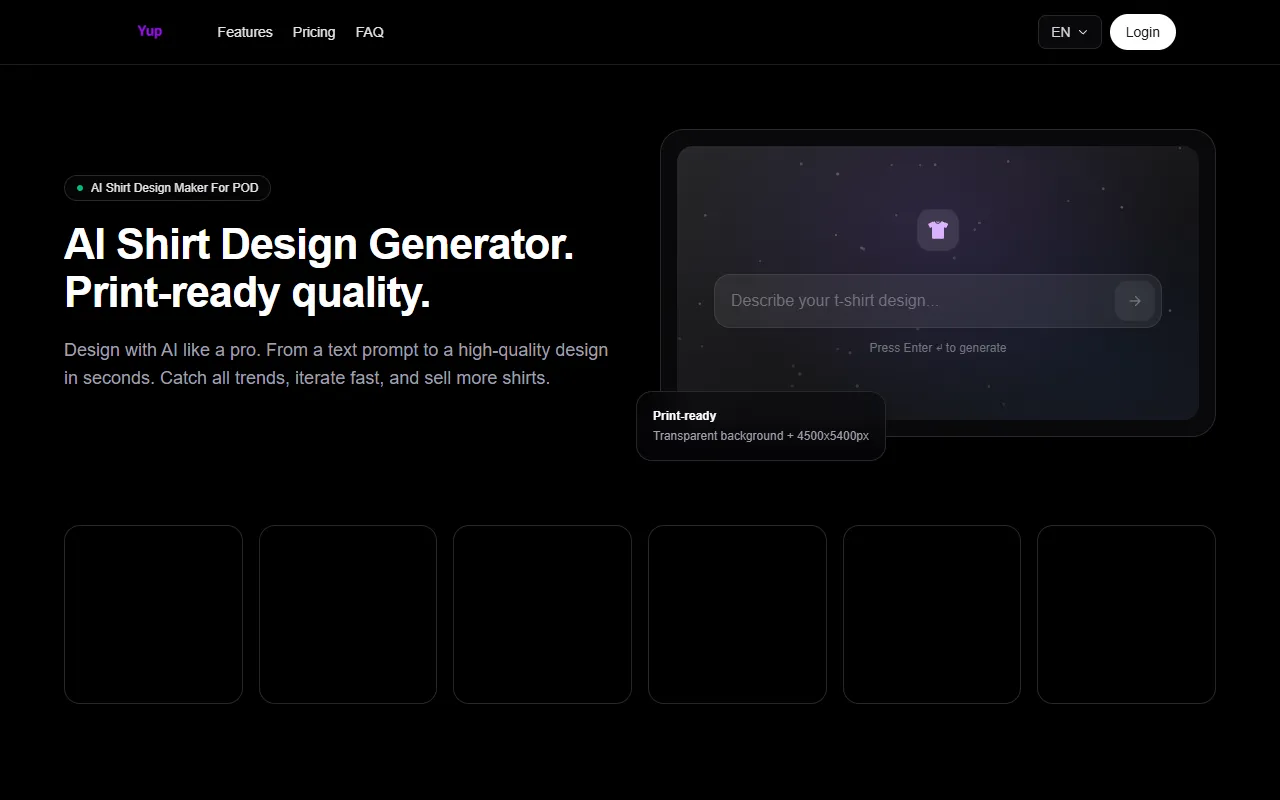
AI Shirt Design Generator - YupTees
AI Image GenerationYupTees: AI-powered T-shirt design generator for fast, easy, and scalable print-on-demand creations.
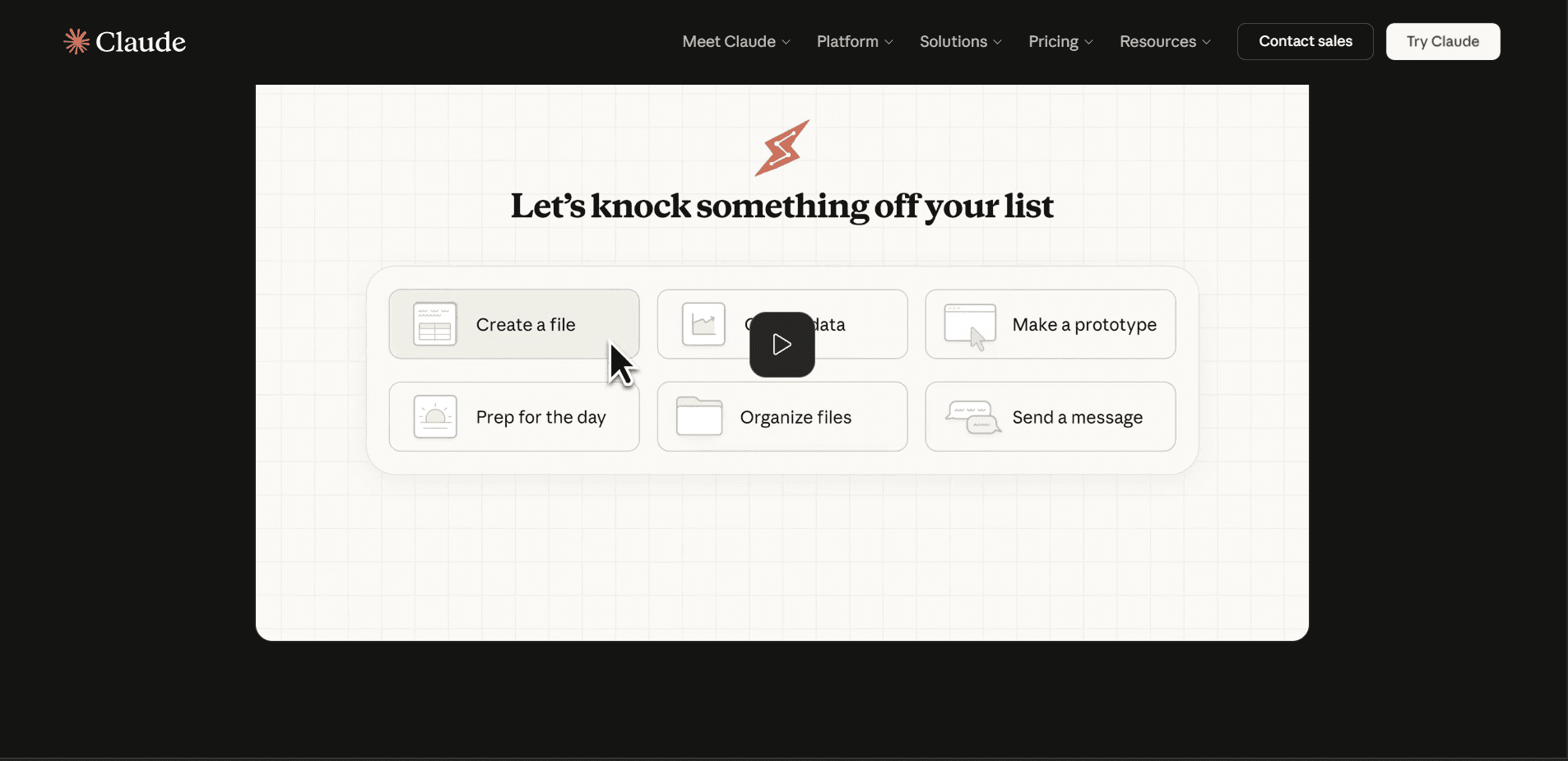
Claude
AI AssistantsAnthropic's AI assistant known for thoughtful, nuanced responses, strong reasoning capabilities, and a focus on safety and helpfulness.
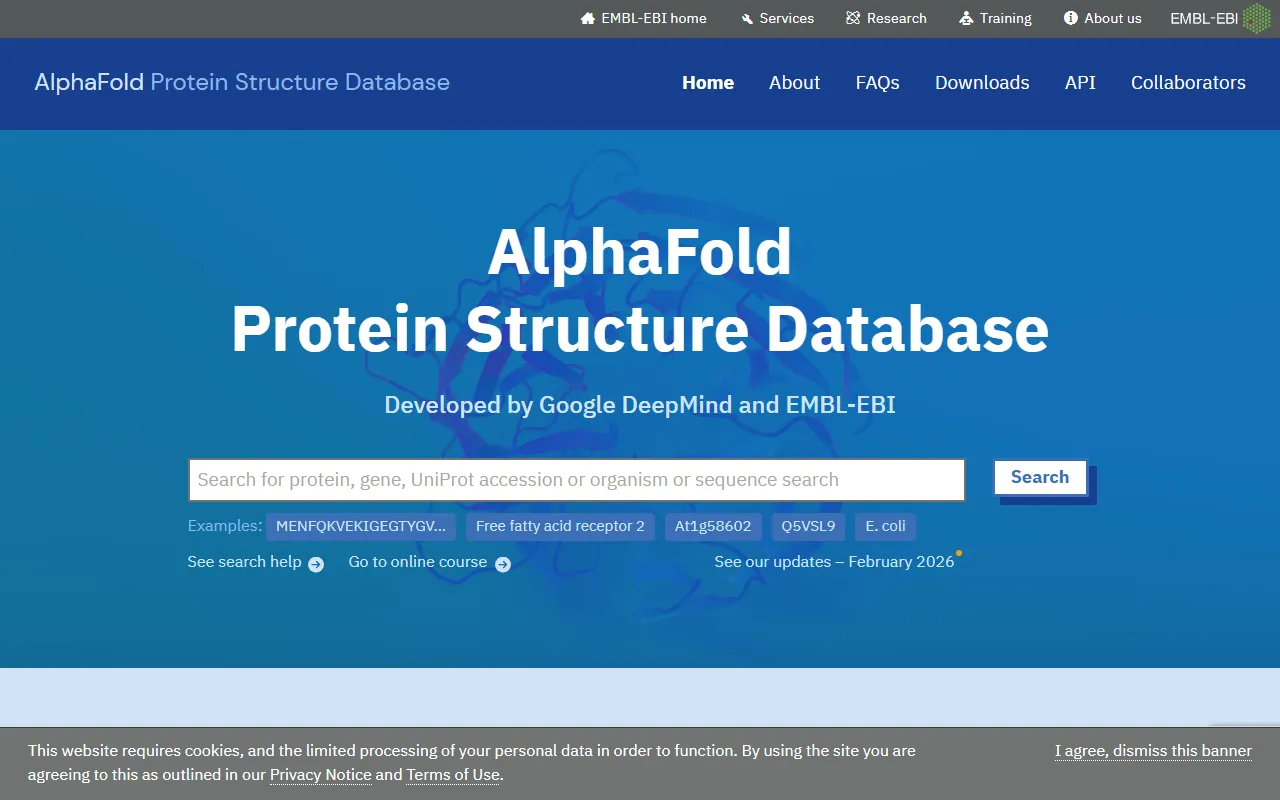

AlphaFold
Science AIDeepMind AI system that predicts 3D protein structures with remarkable accuracy.

Cursor
Code AssistantsAn AI-first code editor built on VS Code that integrates AI deeply into every aspect of the coding experience, from writing to debugging.

ChatGPT
AI AssistantsOpenAI's conversational AI assistant capable of generating text, answering questions, writing code, and assisting with a wide range of tasks.

Claid.ai
Image EditingAI product photo editing with automated background removal, upscaling, and enhancement.