Quick Take
AI-powered medical imaging analysis for cancer detection in X-rays and pathology slides.
What We Like
- Comprehensive documentation and onboarding resources for new users
- AI models that improve and adapt based on your specific usage patterns over time
- Strong integration options that connect with existing tools and workflows
- Responsive and modern design that works seamlessly across devices and screen sizes
- Consistent output quality that maintains professional standards across use cases
What Could Be Better
- As with any AI tool, output may occasionally require manual review and fine-tuning
- Some niche use cases within healthcare and medical technology may not be fully covered yet
- Internet connection required for AI processing and cloud-based features
Pricing
PaidTool Overview
Tags


Lunit enters the Healthcare AI arena as a purpose-built AI solution for healthcare providers, researchers, and medical professionals. AI-powered medical imaging analysis for cancer detection in X-rays and pathology slides. In a market crowded with generic tools, Lunit distinguishes itself through its specialized focus on delivering measurable results in healthcare delivery and medical research and a user experience designed to get you productive from day one.
This comprehensive review examines what Lunit brings to the table, exploring its feature set, ideal use cases, pricing structure, and overall value proposition. Whether you are actively searching for a Healthcare AI solution or simply evaluating the landscape, this breakdown will help you determine if Lunit deserves a spot in your toolkit.
Key Features of Lunit
What makes Lunit particularly interesting is its comprehensive feature set, which goes well beyond basic healthcare and medical technology functionality. Here is a closer look at what this tool brings to the table:
- Medical imaging: Lunit provides robust medical imaging functionality, allowing users to diagnose with precision and efficiency. This feature is powered by advanced AI models that adapt to your specific use case and improve over time based on your interactions.
- Cancer detection: The cancer detection module in Lunit is designed with real-world usage in mind, providing practical tools that integrate smoothly into existing workflows without disruption. Users can configure this feature to match their specific requirements.
- Radiology AI: With built-in radiology ai capabilities, Lunit helps healthcare providers, researchers, and medical professionals tackle this aspect of their workflow head-on. The AI-driven approach ensures consistent, high-quality output every time while reducing manual effort significantly.
- Oncology: Lunit includes a dedicated oncology engine that processes your inputs intelligently. The system learns from each interaction, delivering increasingly personalized and accurate results the more you use it.
What ties these features together is a consistent design philosophy: make powerful AI accessible without dumbing it down. Lunit manages to strike this balance well, providing depth for power users while keeping the learning curve manageable for newcomers.
How It Works
From the moment you open Lunit, the workflow is designed to feel natural and efficient. The platform greets you with a clean, organized interface where your most common actions are immediately accessible. Whether you are starting a new project or continuing previous work, everything is just a click or two away, and the learning curve is minimal even for first-time users.
The AI powering Lunit operates on cutting-edge models optimized for healthcare and medical technology. What this means in practice is that the tool does not just follow rigid rules; it understands the subtleties and variations inherent in healthcare delivery and medical research. Inputs are analyzed contextually, and the generated output reflects an awareness of industry standards, best practices, and current trends.
Iteration is baked into how Lunit works. After receiving initial results, users can fine-tune by adjusting settings, adding constraints, or simply asking for alternatives. This cycle of generation, review, and refinement mirrors how professionals naturally work, making the AI feel like a capable collaborator rather than a rigid automated system.
Beyond individual use, Lunit supports integrations with the tools and platforms that healthcare providers, researchers, and medical professionals already rely on. APIs, webhooks, and native integrations allow data to flow seamlessly between Lunit and your broader technology ecosystem, eliminating the need for manual data transfers and keeping everything synchronized automatically.
Getting Started with Lunit
Getting up and running with Lunit is a straightforward process that takes just minutes. Start by visiting the platform and creating an account. Most users find that the onboarding wizard does an excellent job of configuring initial settings based on your role and goals, so you can skip the manual setup and jump straight into productive work. Visit the official website to create your account and explore the platform firsthand.
Once your account is set up, take a few minutes to explore the template library and preset configurations. These are designed to give you a head start by providing proven starting points for common tasks in healthcare and medical technology. From there, you can customize to your heart's content, but the templates ensure you are never staring at a blank screen wondering where to begin.
For teams looking to adopt Lunit, the process is equally smooth. Administrator tools allow you to invite team members, set permissions, and establish shared resources in a centralized dashboard. The platform also provides documentation and tutorials that make self-service onboarding practical, reducing the burden on your internal training resources and accelerating time to value.
Best Suited For
While Lunit casts a wide net, it truly shines for healthcare providers, researchers, and medical professionals who are looking to enhance their output without sacrificing quality. If you find yourself spending too much time on repetitive tasks related to healthcare and medical technology, this tool could meaningfully change your workflow and free up hours each week for higher-value strategic work.
Beginners will benefit from the guided experience and templates that help them get started quickly, while experienced professionals will appreciate the depth of control and customization available beneath the surface. This dual-layer approach makes Lunit accessible without being simplistic, catering to a wide spectrum of expertise levels.
Teams that collaborate frequently will also find significant value here, as Lunit supports shared workflows that keep everyone aligned. The ability to establish consistent standards and share templates across a team ensures that quality remains high regardless of who is using the tool, making it an excellent choice for growing organizations.
Pricing Overview
Lunit is a paid tool, which signals the team's commitment to delivering professional-grade capabilities and ongoing support. While the exact pricing may vary based on your selected plan and usage requirements, the investment is positioned to deliver clear ROI for healthcare providers, researchers, and medical professionals who regularly work in healthcare and medical technology and need reliable, high-quality output.
When evaluating the cost, consider what you currently spend on alternative solutions, whether that is manual labor, freelancers, or competing tools. For many users, Lunit pays for itself within the first month through time savings and improved output quality alone. The platform typically offers trial periods or money-back guarantees, so you can validate the value before making a long-term commitment.
Where Lunit Fits in the Market
Understanding where Lunit fits in the broader Healthcare AI ecosystem is important for making an informed decision. The market includes everything from lightweight utilities to comprehensive enterprise platforms, and Lunit positions itself thoughtfully within this spectrum. Its strength lies in delivering focused healthcare and medical technology capabilities without the bloat and complexity that often accompany tools trying to do too many things at once.
What ultimately differentiates Lunit from its competitors is the attention to workflow integration and user experience. Many tools in the healthcare delivery and medical research space offer similar core capabilities on paper, but the execution, specifically how intuitive the interface feels and how seamlessly it fits into existing processes, is where Lunit demonstrates genuine thoughtfulness. For healthcare providers, researchers, and medical professionals evaluating multiple options, this practical usability factor often proves more important than raw feature counts.
The Bottom Line
After thorough evaluation, Lunit stands out as a capable and thoughtfully designed tool in the Healthcare AI category. It addresses real pain points for healthcare providers, researchers, and medical professionals without introducing unnecessary complexity, and the AI technology at its core delivers tangible improvements over manual approaches to healthcare and medical technology.
While it requires a financial investment, the returns in time savings and output quality make it a worthwhile consideration for serious healthcare providers, researchers, and medical professionals who demand professional-grade results. In today's fast-moving landscape, having the right AI tools in your arsenal is increasingly becoming a competitive necessity rather than a luxury, and Lunit makes a compelling case for inclusion.
Our verdict: Lunit is worth your attention if you work in healthcare delivery and medical research. The combination of smart features, accessible design, and genuine utility makes it a tool that earns its place through results rather than hype. Give it a try and judge the impact on your own workflow, as we believe you will be pleasantly surprised by what you find.
ADVERTISEMENT
728 x 90
Browse More Tools
View all
Connected Papers
Research ToolsVisual tool for exploring academic paper connections and building literature graphs.


Ironclad
Legal AIAI-powered contract lifecycle management platform for enterprise legal teams.
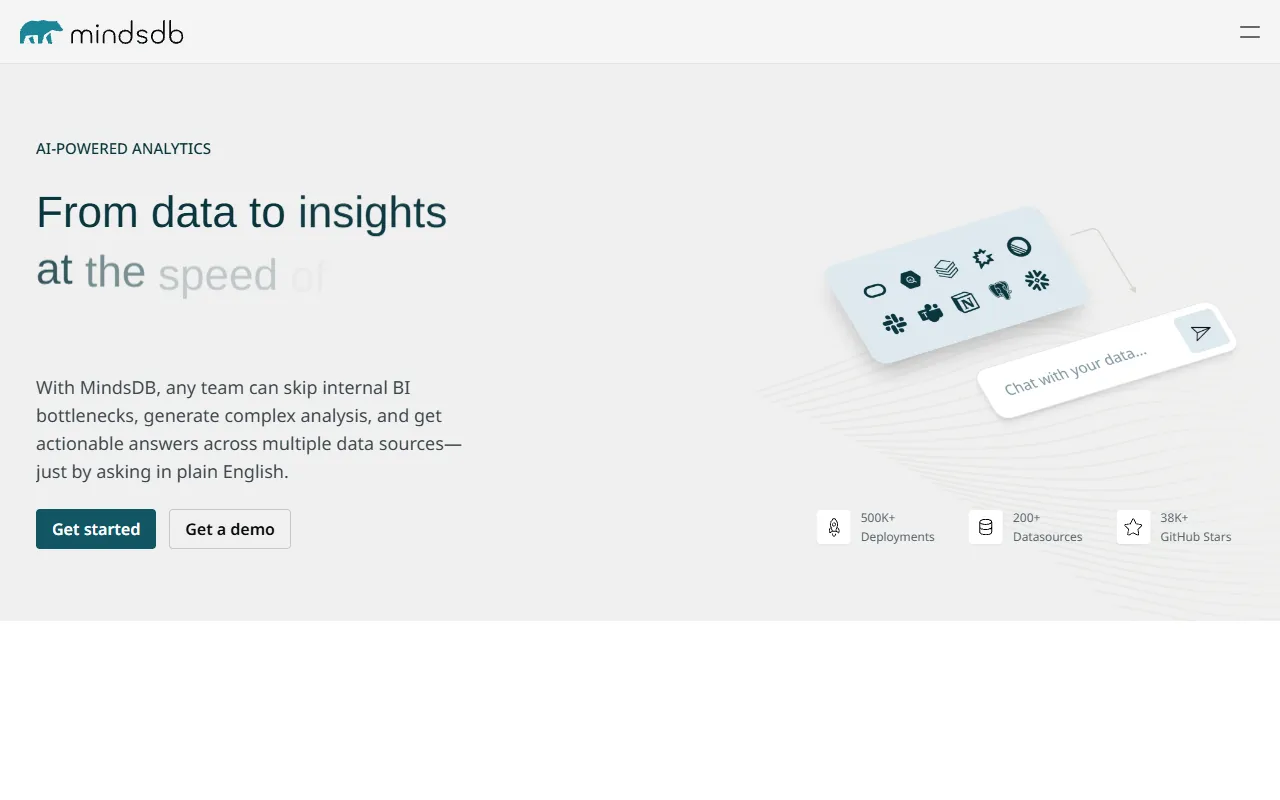

MindsDB
Data AnalyticsAI platform that brings machine learning directly into your existing databases.
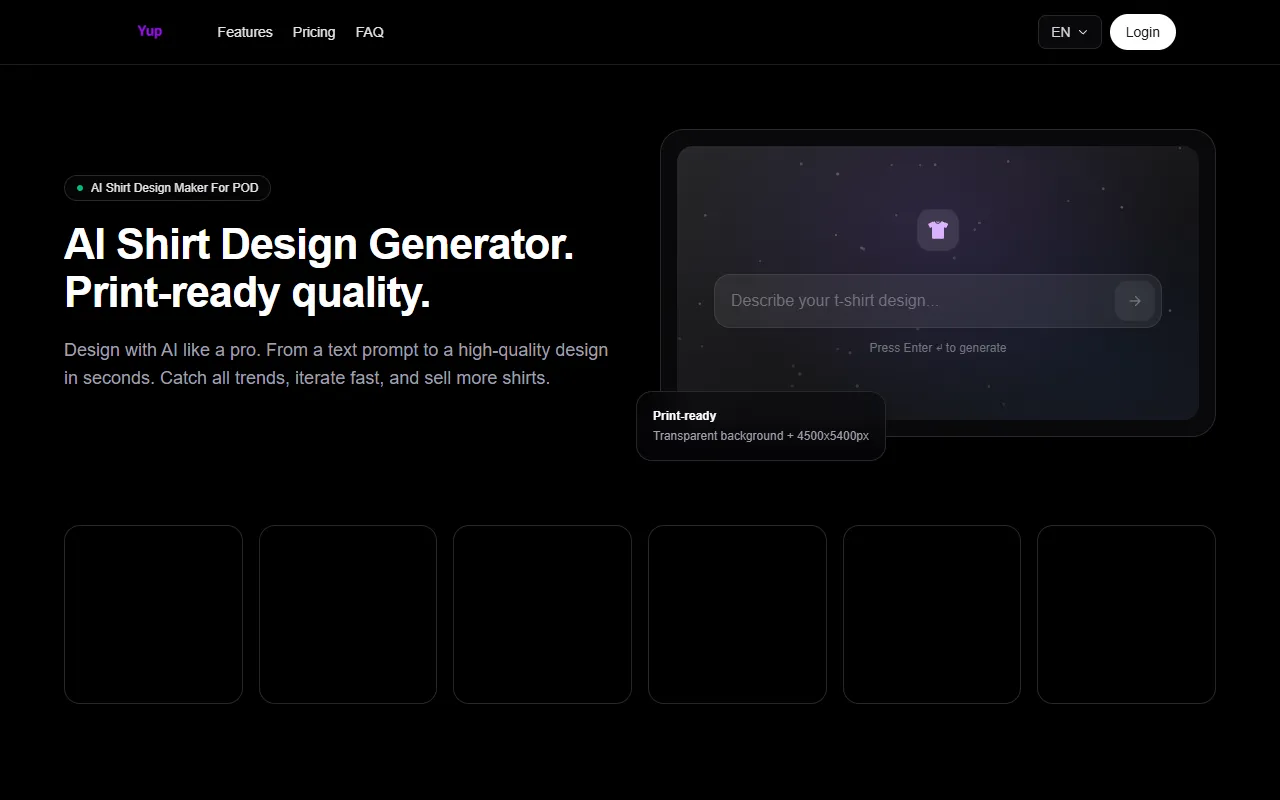
AI Shirt Design Generator - YupTees
AI Image GenerationYupTees: AI-powered T-shirt design generator for fast, easy, and scalable print-on-demand creations.
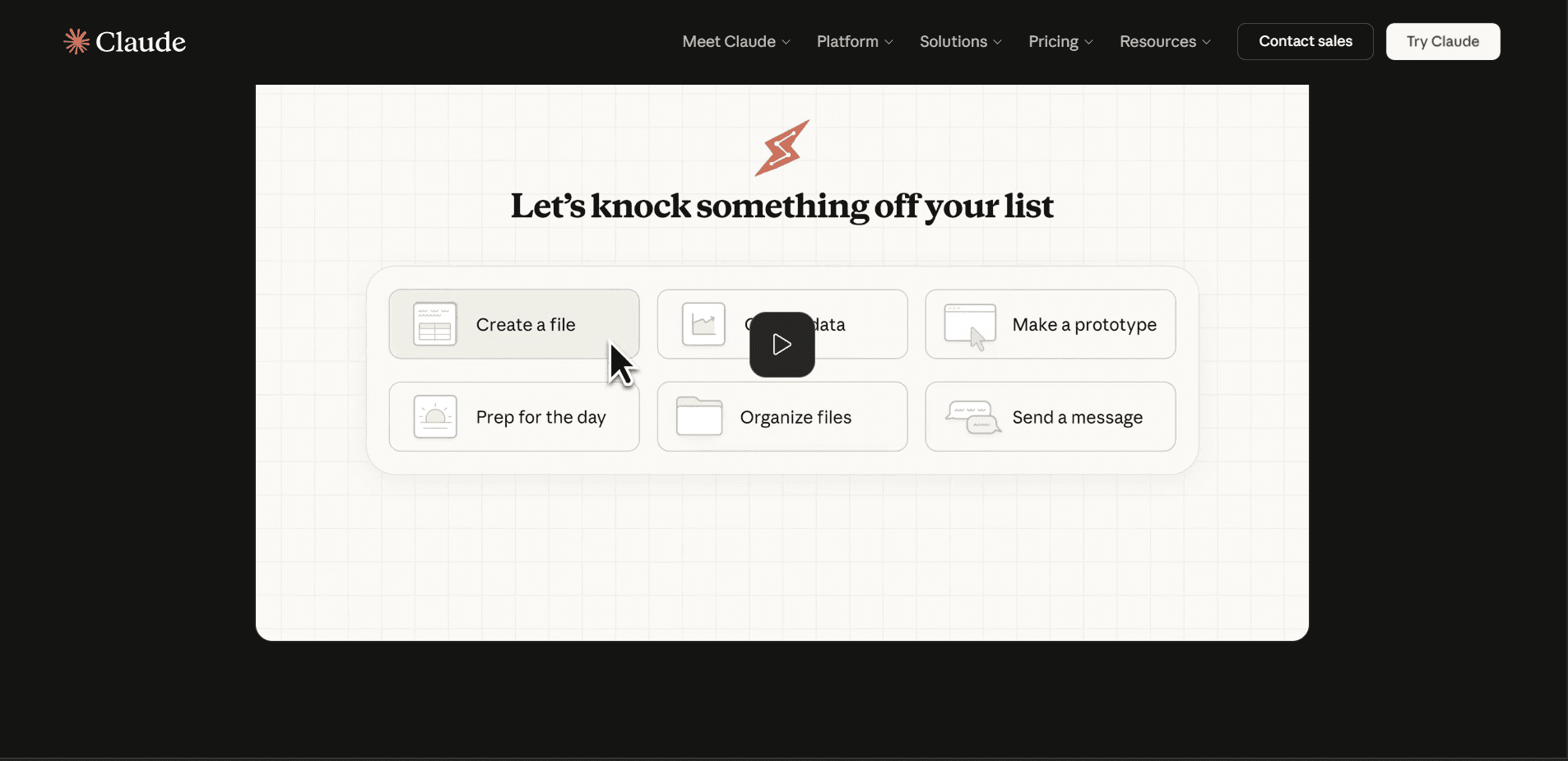
Claude
AI AssistantsAnthropic's AI assistant known for thoughtful, nuanced responses, strong reasoning capabilities, and a focus on safety and helpfulness.

AlphaFold
Science AIDeepMind AI system that predicts 3D protein structures with remarkable accuracy.

Cursor
Code AssistantsAn AI-first code editor built on VS Code that integrates AI deeply into every aspect of the coding experience, from writing to debugging.

ChatGPT
AI AssistantsOpenAI's conversational AI assistant capable of generating text, answering questions, writing code, and assisting with a wide range of tasks.

Claid.ai
Image EditingAI product photo editing with automated background removal, upscaling, and enhancement.