
Linear
Streamlines issue tracking and project management for software teams with AI-driven insights. Designed for developers and project managers, it offers a freemium model with paid upgrades for advanced features.
Linear — official website
Imagine you’re leading a software development team that’s overwhelmed by inefficient project management practices. Missed deadlines, unorganized feedback, and lack of clear priorities are slowing your team down. You’re looking for a system that not only facilitates collaboration but also harnesses AI to streamline operations. A tool that integrates seamlessly into your workflow to handle issue tracking, project management, and customer feedback. You’re in search of something that turns your product development process from chaotic to structured and efficient, enabling your team to focus on what they do best: building great products.
Linear is purpose-built for modern product teams, emphasizing AI-driven workflows. A standout feature is its integration of AI agents, designed to make product operations almost self-driving. You can transform conversations and customer feedback into actionable issues, which are then intelligently routed, labeled, and prioritized for the right team. This means you input raw feedback, and it outputs organized, actionable tasks, significantly reducing the time spent on triaging issues and enhancing focus on high-impact work. This insight is drawn directly from Linear’s marketing, highlighting how the tool is engineered to bolster team productivity and efficiency.
Key Features
- AI Agents — Automate the routing, labeling, and prioritization of tasks, minimizing manual triage.
- Linear Insights — Provides instant analytics for any stream of work, ensuring decisions are data-driven.
- Linear Asks — Convert workplace requests into actionable issues, streamlining internal communication.
Pros & Cons
- ✓ Integrates AI agents into workflows for automated triage and prioritization.
- ✓ Offers a freemium model allowing teams to start without upfront costs.
- ✓ Designed for speed, reducing noise and enhancing team focus.
- ✗ The free plan limits issue management to 250 issues, which may be restrictive for larger teams.
- ✗ Business features like Code Intelligence and Linear Insights are only available in higher-priced plans.
For freelance developers or small startups on a budget, Linear’s free plan might become frustrating due to its limitations on issue management and team size. With only 250 issues allowed under the free plan, larger projects or teams will likely find themselves hitting this cap quickly, necessitating an upgrade. Additionally, advanced features that could be crucial for more sophisticated development environments are locked behind paid plans, potentially limiting the tool’s usefulness for budget-conscious users aiming for comprehensive project management capabilities.
Compared to Jira, another prominent tool in issue tracking and project management, Linear stands out for its AI-driven automation and speed. However, Jira offers more extensive features like custom dashboards and integrations, which could be more suitable for larger enterprises needing robust customization. On the other hand, Trello might appeal to teams looking for a more visually intuitive project management experience, albeit with less automation. Choose Linear if your focus is on speed and AI integration for a streamlined workflow.
Best For
Linear is ideal for small to medium-sized product development teams looking to enhance their workflow with AI-driven automation. It’s especially suitable for teams that value speed and efficiency in handling customer feedback and internal requests. The freemium pricing model provides a cost-effective entry point, though larger teams with complex projects may need to consider the Basic or Business plans.
Linear offers a compelling product development system for teams prioritizing speed and AI-driven processes. Ideal for small to medium-sized software development teams, it effectively combines issue tracking with automated triage and prioritization. If your team values efficiency and is looking to integrate AI into their workflow without a hefty upfront investment, Linear is worth considering.
This review is based on publicly available information from the tool's official website and is written independently by the theWebrary editorial team. We do not accept payment for review content.
Share
Tool Overview


Browse More Tools
View all
WorkProcedures
AI ProductivityGenerate professional standard operating procedures in minutes using AI with access to over 10,000 templates tailored for 35 different industries. Ideal for businesses seeking to streamline their documentation processes, with a free option and paid upgrades available.
Hyring
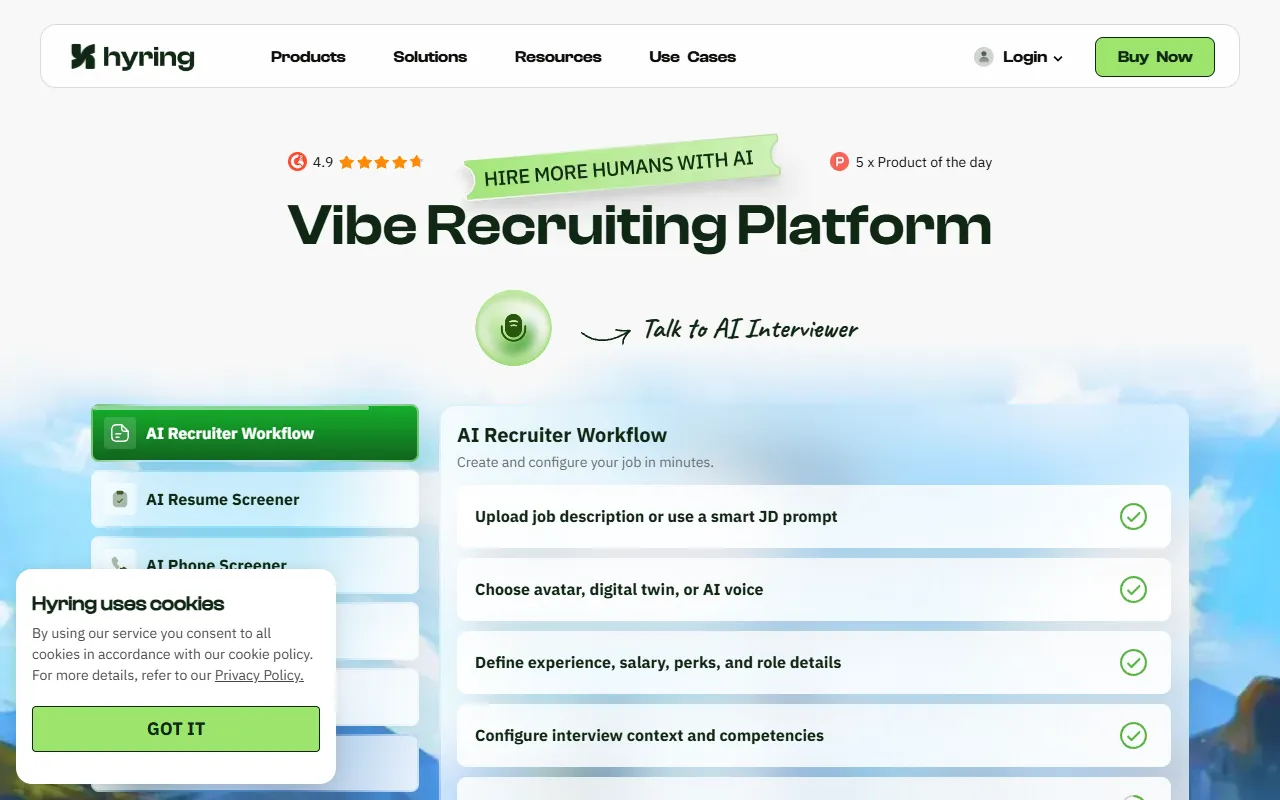
AI ProductivityStreamlines the hiring process with advanced AI recruiting software that includes video and phone interviewers, resume screening, and coding assessments. Designed for recruiters looking to find top talent quickly and efficiently. Pricing is paid.
Ralph Workflow
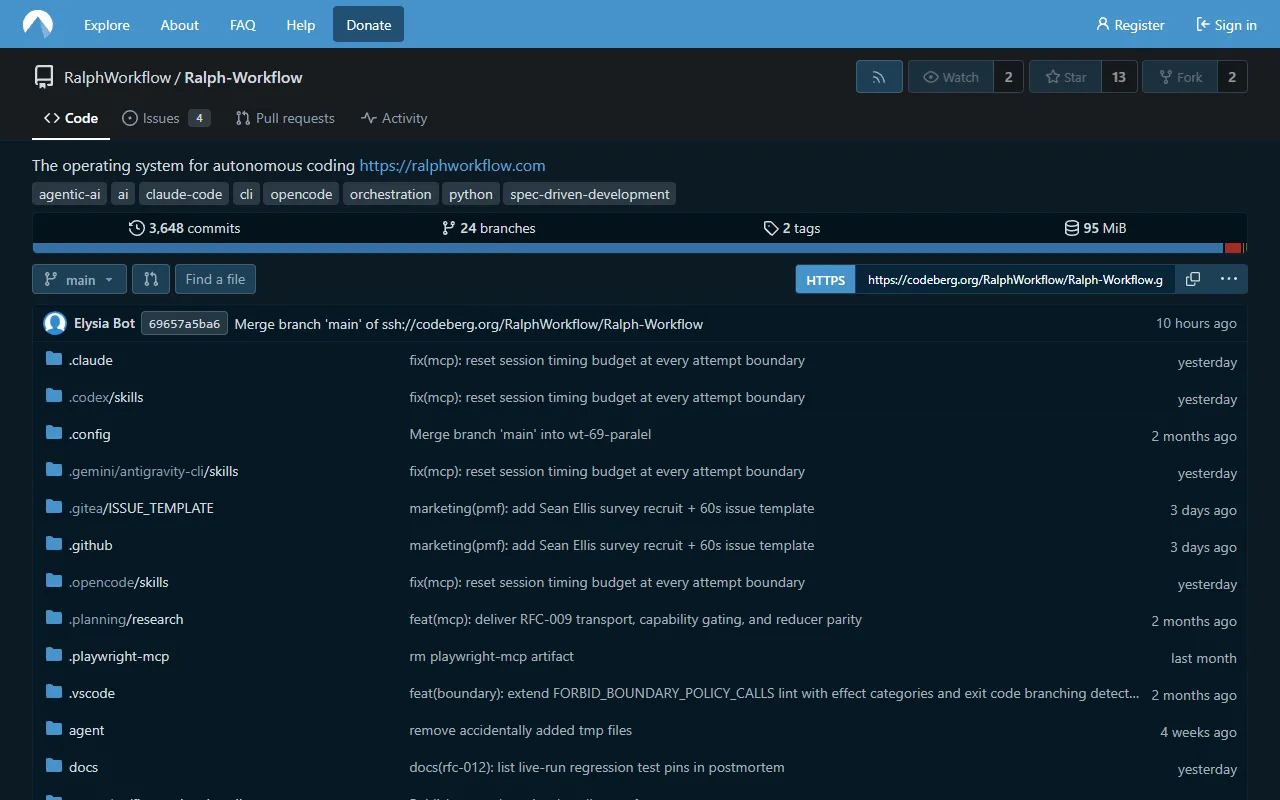
AI ProductivityAutomates coding processes with a focus on orchestration and specification-driven development. Designed for developers seeking an open-source solution to enhance productivity in autonomous coding environments.

AIOverview
AI MarketingAnalyze brand sentiment across various platforms, including Google and social media, with AIOverview. Users receive a verified visibility score from 1 to 50, making it easy to gauge online presence. This service is available for free.

Hive Index
AI & ML PlatformsHive Index unites thousands of online communities across platforms, making discovery and networking simple.
Superday AI
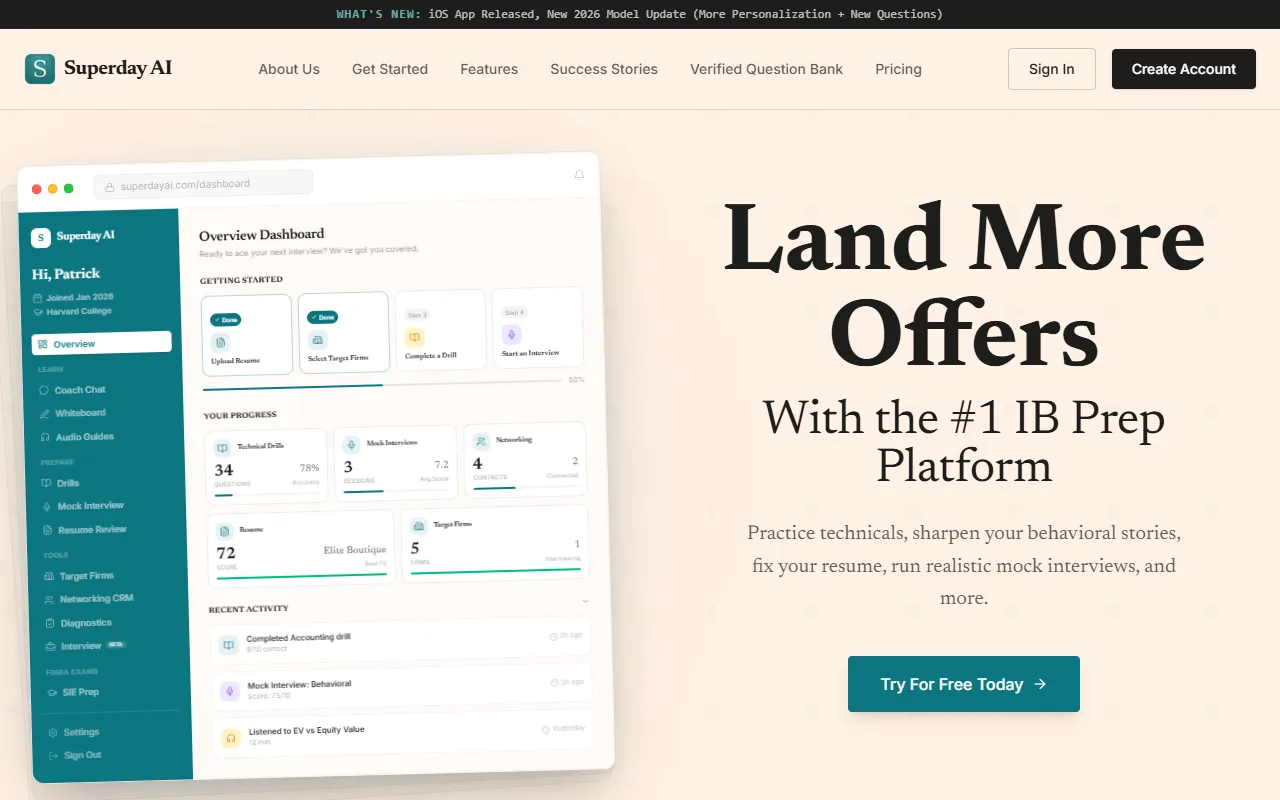
AI ProductivitySuperday AI: Personalized AI-powered interview prep for investment banking with mock interviews, drills, coaching, and networking.
Get Your AI Tool
In Front of Thousands
Join hundreds of AI tools already featured on theWebrary. Get priority placement, a dedicated listing page, and reach an audience actively searching for AI tools.
1 Month
$5
$6
3 Months
$10
Save 50%
12 Months
$20
Save 75%